



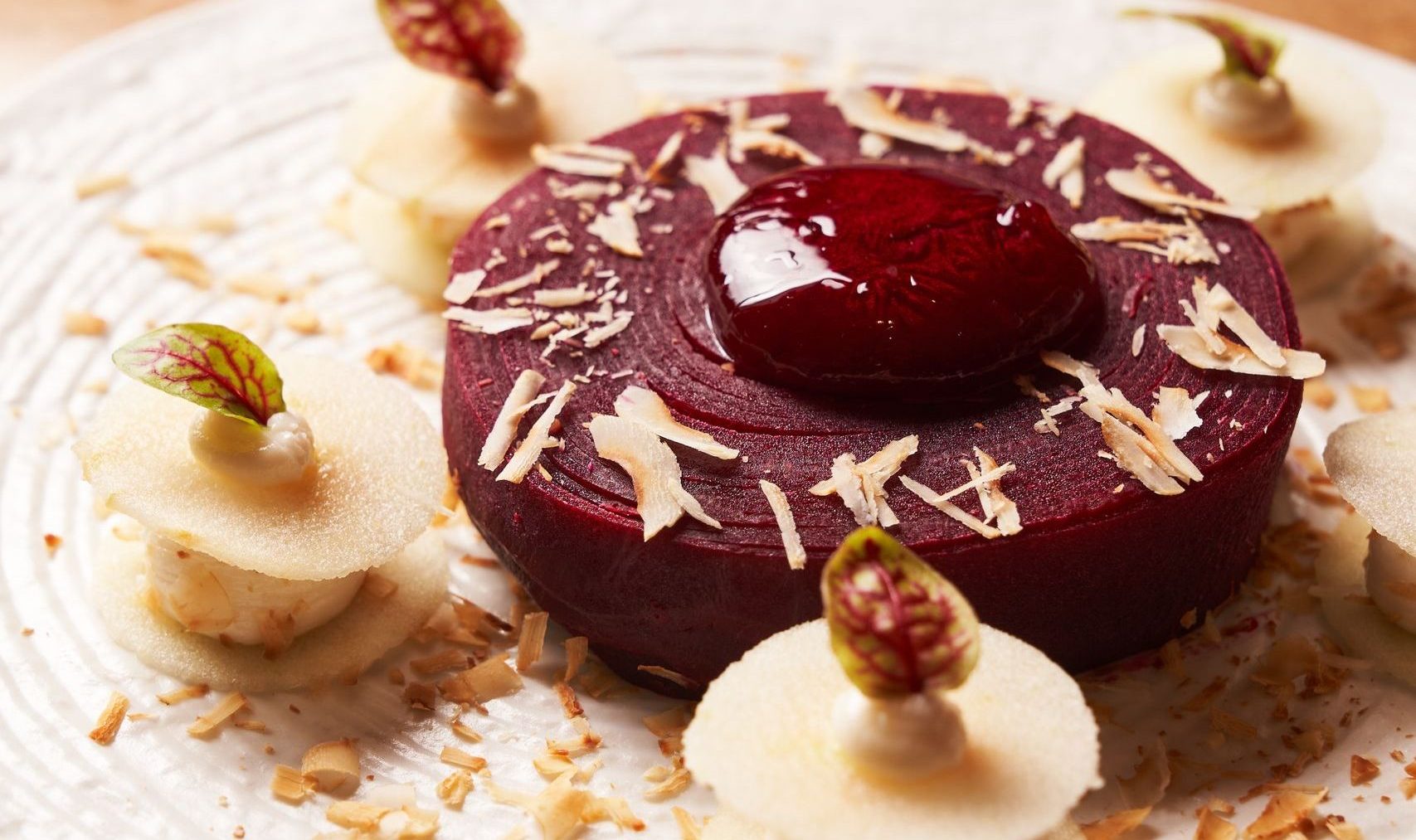
58 Fine Dining Dessert Menu Ideas for Pro Chefs
Building a memorable dessert menu requires balancing creativity, consistency, and profitability. The best fine dining desserts don’t just impress guests—they fit seamlessly into service, highlight seasonal ingredients, and support healthy food costs.
In this guide, you’ll find 58 fine dining dessert ideas across five categories, along with practical tips for designing a dessert menu that performs in a professional kitchen.
Many of these concepts can also be adapted using custom fillings and other ready-to-use bakery and pastry ingredients for greater consistency and faster production.
58 Restaurant Dessert Ideas
Whether you’re refreshing a seasonal menu, introducing a signature dessert, or looking for high-volume options, these gourmet desserts can help inspire your next menu update.
Signature Dessert Menu Ideas
A signature dessert should reflect your restaurant’s identity while giving guests something they can’t find anywhere else. These concepts combine classic techniques with memorable flavor combinations.
- Olive Oil Cake with Rosemary Cream
- Black Sesame Crème Brûlée
- Chocolate Molten Cake
- Burnt Milk Flan with Espresso Caramel
- Praline Crémeux with Feuilletine Crunch
- Fig and Blue Cheese Tart
- Chocolate Soufflé with Espresso Sauce
- Chocolate Sphere — melted tableside by a warm chocolate ganache pour
Viral and Trendy Desserts
These desserts capitalize on current food trends while remaining practical for professional kitchens. Incorporating one or two trend-driven desserts can help stir up social media attention without defining your entire menu.
- Dubai Chocolate Tarts, Bars, Cheesecake, Croissants — with smooth pistachio cream and crisp knafeh
- Croffle (croissant-waffle hybrid) with Seasonal Fruit or Curd
- Matcha or Hojicha Tiramisu
- Ube Halaya Tart with Coconut Crémeux
- Basque Cheesecake (baked, burnt-top style) with Yuzu Curd Compote
- Swicy Desserts ( chili-mango sorbet, hot honey burnt caramel tart)
- Miso Caramel Chocolate Tart
- Torched Banana Cake
- Jiggly Japanese Cloud Cheesecake
- Sheep’s Milk Mousse & Pandan
- Baked Alaska with Toasted Meringue
- Black Currant Financier or Mousse
- Mochi-Wrapped Ice Cream or Gelato
Seasonal Specialty Desserts
Seasonal desserts keep menus fresh while showcasing ingredients at their peak. Rotating a handful of offerings throughout the year gives returning guests something new to discover and helps maximize ingredient quality.
- Pumpkin Cheesecake Verrines
- Yuzu & Citrus Curd Tart, finished with a torched Italian meringue
- Spiced Pear Tart with Vanilla Bean Cream
- Cranberry White Chocolate Mousse Layer Cake
- Forest Berry Pavlova
- Strawberry Shortcake Mille-Feuille, layered with pastry cream and roasted strawberries
- Dulce de Leche Tart
- Gingerbread-Spiced Plated Dessert
- Deconstructed Peaches and Cream
- Rhubarb & Strawberry Galette
- Spiced Apple Tarte Tatin
- Blood Orange Posset
- Carrot Cake with Cream Cheese Frosting
Explore more yuzu citrus dessert ideas.
High Margin Desserts
Many classic desserts offer excellent profit potential because they rely on affordable ingredients, efficient preparation, and strong perceived value. These options can help increase average check size without significantly increasing labor, especially when using quality pre-made ingredients.
- Sticky Toffee Pudding
- Vegan Crème Brûlée
- Chocolate Pot de Crème
- Bread Pudding with Bourbon Caramel
- Semifreddo with Berry Swirl
- French Silk Pie
- Classic Strawberry Cheesecake, with a shortbread crust and strawberry glaze
- Dessert Flights or Boards — mini portions, like a fruit filling topped with fresh strawberries, plated together for shareable presentation
- Mignardises or Petit Fours finished with an elegant fondant
- Panna Cotta with Seasonal Fruit Coulis
- Affogato with House-Made Biscotti
Fast Service/High Volume Desserts
High-volume kitchens benefit from desserts that can be prepared in batches, held successfully, and plated quickly during service. These ideas prioritize consistency without sacrificing quality.
- Sheet-Pan Bars or Blondies
- Chocolate Swiss Rolls, sliced into pinwheels over a mirror glaze
- Churros with a Miso Caramel Dipping Sauce
- Dessert Verrines or Mousse Cups
- Mini Tartlets with a Dark Chocolate Glaze
- Soft Serve or Shakes with Gourmet Toppings
- Pre-Baked Hand Pies or Turnovers — laminated pastry filled with apple, cherry, or seasonal fruit, finished from frozen
- Pre-Plated Chocolate Mousse Domes
- Grab-and-Go Bar Cookie — chocolate chip, oat, or seasonal riffs
- Batch-Baked Almond Financiers or Madeleines
- Paris-Brest or Profiteroles with Pastry Cream filling
- Gluten-Free Brownies
- Devil’s Food Layer Cake, sliced and plated to order.
Explore more puff pastry filling ideas.
What Makes a Memorable Dessert Menu?
Modern dessert menus have to do more than satisfy a sweet craving. Restaurants and bakeries need elegant desserts that photograph well, plate in the same amount of time as the entrées, use what’s in season, and hold a margin.
It’s a game of staying current without chasing every trend and indulgent without inflating food cost. The dessert menus that do this well tend to follow these seven hallmarks:
- Operational practicality
- Flavor pairings
- Seasonal ingredients
- Texture
- Contrast
- Presentation
- Guest experience
Design Around Operational Practicality
Every dessert should be evaluated on more than flavor alone. Prep time, food cost, shelf life, labor requirements, and plating speed all influence whether a dessert succeeds during service. The strongest dessert menus are designed around operational consistency first, allowing creativity to shine without slowing down the kitchen.
- Multi-use components across menu items
- Make-ahead desserts with fast pickup
- Stable fillings and frostings
- Low-waste ingredient applications
PastryStar’s clean-label bakery ingredients support high-volume production while helping maintain the texture, flavor, and appearance associated with premium handcrafted desserts.
Balance Familiar and Unexpected Flavors
Guests appreciate desserts that feel approachable while offering something distinctive. Pairing familiar ingredients with unexpected flavors creates memorable experiences without overwhelming diners.
- Brown butter and miso caramel
- Strawberry shortcake with basil cream
- Black sesame folded into a lemon yuzu curd
- Banana pudding with espresso crunch
- Olive oil cake with lemon curd
Highlight Seasonal Ingredients
Seasonal ingredients improve flavor while giving restaurants a natural reason to refresh the menu throughout the year. Rather than reinventing every dessert, many kitchens simply rotate fillings, fruits, herbs, and garnishes. And guests increasingly read “seasonal” as a quality signal.
- Roasted stone fruits in summer
- Citrus and pistachio in winter
- Rhubarb, lemon, and herbs in spring
- Fig and spice or pumpkin combinations in fall
- Seasonal herbs, flowers, and other botanicals
Layer Texture With Intention
Great plated desserts create contrast through texture as much as flavor. Crisp, creamy, airy, crunchy, frozen, and chewy components each play a role in creating a more memorable eating experience. But the contrast has to be deliberate –– and it still needs to assemble fast.
- Crisp tuile with silky mousse
- Airy whipped cheesecake
- Gooey centers with crunchy toppings
- Frozen sorbet against warm cake
Use Contrast Intentionally
A warm center with a cold quenelle. A rich custard cut by something acidic and bright. Contrast prevents desserts from feeling one-dimensional. Pairing warm with cold, rich with bright, or soft with crisp helps create balance across every bite.
- Warm sticky toffee pudding with cold vanilla bean cream
- Tart citrus paired with rich chocolate
- Light whipped mascarpone over dense brownies
- Frozen semifreddo beside roasted fruit
Prioritize Presentation
Presentation should reinforce the quality of the dessert without becoming distracting. Successful plating emphasizes clean composition, intentional height, restrained garnishes, and visual balance while allowing the dessert itself to remain the focal point.
- Minimalist negative-space plating
- Sauce brush strokes and layered height
- Edible flowers and micro herbs that suit the flavor profile
- Clean geometric components
- Mirror glazes, also available in white and chocolate
Create a Memorable Guest Experience
Some desserts become memorable because of flavor. Others because of how they’re served. Tableside pours, crackable chocolate shells, and interactive finishing touches create moments guests remember long after the meal—provided they don’t disrupt kitchen efficiency.
- Tableside sauce pours
- Crackable chocolate shells
- Smoking garnishes
- Layered dessert reveals
Tips for Planning Your Dessert Menu
Once you’ve chosen a few unique dessert ideas and ironed out the recipes, your dessert menu is nearly there. There are still a handful of operational habits behind them you’ll need to hold up during actual service.
- Include one dependable classic (chocolate or citrus).
- Rotate one or two seasonal features.
- Repurpose core components across multiple desserts.
- Offer at least one plant-based or allergen-friendly option.
- Train servers to recommend dessert pairings.
- Choose ingredients that reduce prep while maintaining consistency.
Ready-to-Use Bakery Ingredients for High-End Desserts
The most successful dessert programs combine creativity with operational consistency. Whether you’re launching a signature plated dessert or scaling production across multiple locations, dependable ingredients help maintain quality without increasing labor.
PastryStar’s clean-label fruit fillings, cake mixes, and bakery ingredients are designed for professional kitchens that demand scratch-made flavor with reliable performance.
Browse our clean-label ingredient collection or contact our team to discuss custom formulations for your next dessert menu.


Tags and Categories