


IBIE 2025: Top Pastry and Baking Industry Trends Driving Innovation
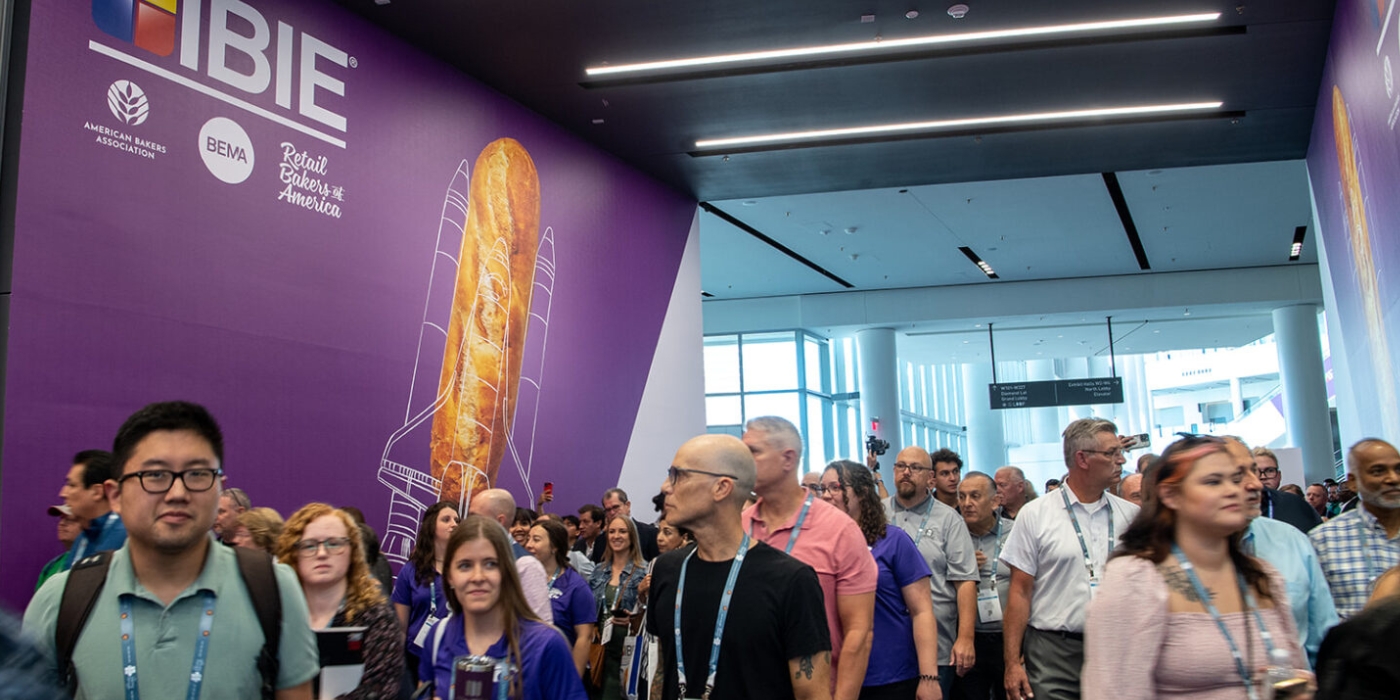
The IBIE International Baking Industry Exposition is the Largest Baking Trade Show Driving Baking Innovation in the Western Hemisphere. Held from September 13-17, 2025, at the Las Vegas Convention Center, this triennial event attracted over 20,000 industry professionals exploring 1 million square feet of cutting-edge exhibits, connecting global baking leaders with the latest technologies, trends, and business opportunities.

Who Attends IBIE and Why It Matters for Your Brand

IBIE draws a diverse ecosystem of artisan retail bakeries, large-scale wholesale producers, and leading brands such as Puratos, Dawn and Rich’s, as well as snack and cereal manufacturers. With 30% international attendance and strong participation, the expo provides unparalleled access to decision-makers typically insulated by multiple organizational layers.
- 78% of attendees seek new product sourcing opportunities
- 65% prioritize technology scouting for operational efficiency
- 82% aim to expand buyer-supplier networks
Senior managers and executives make up 67% of attendees, with an average purchasing authority of $2.8 million annually, ensuring qualified interactions and high-conversion opportunities for exhibitors.
2025 International Baking Industry Exposition Highlights

The economic environment in 2025 is having a profound impact on consumer shopping behaviors, particularly in the bakery and dessert sectors. Recent data shows that approximately 66% of consumers are With the pandemic in the rearview mirror, IBIE 2025 focused on innovation, connected technologies, and cleaner formulations. Jorge Zarate, Chief Supply Chain Officer at Grupo Bimbo SAB de CV and Chair of IBIE 2025, and Allen Wright, President of Hansaloy and Vice Chair of the planning committee, led the traditional bread-cutting ceremony in the West Hall lobby.
“AI has taken off in ways we never imagined. Consumer expectations continue to shift, and we’ve seen new pressures, and new possibilities. Every time we gather at IBIE, the world looks a little different, but the spirit of this industry remains the same,” said Zarate.
IBIEducate offered over 250 sessions, the largest in the show’s history, covering:
- AI and automation
- Clean label formulation
- Labeling regulations
- Workforce development
- Retail expansion
- World Bread Awards, Americas Selection of the Panettone World Cup, Coupe du Monde de la Boulangerie
- Expanded programming for retail and artisan bakers
Zarate emphasized the global reach of the expo: “Bakers travel thousands of miles for world-class education and a first look at the newest products, technologies, and solutions shaping the global baking landscape.”
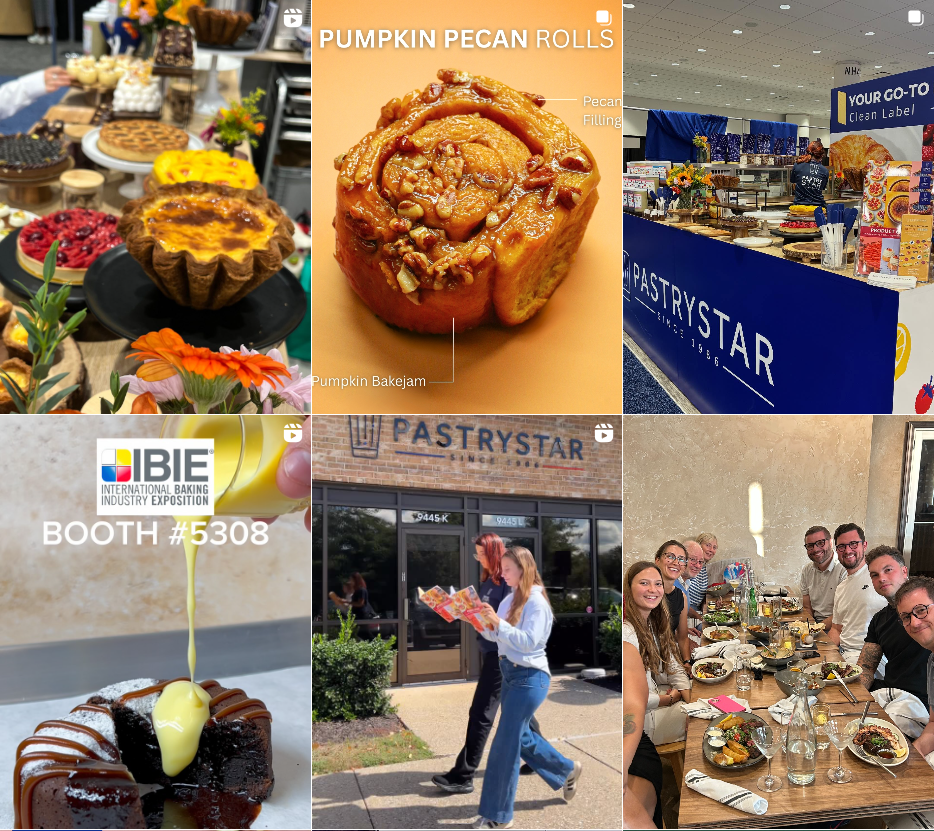
PastryStar Sponsors Coupe du Monde de la Boulangerie at IBIE

At IBIE 2025, the Coupe du Monde de la Boulangerie truly stole the show, captivating attendees with a thrilling display of skill, creativity, and artistry. Over the course of the competition, teams from around the globe went head-to-head in bread, viennoiserie, chocolate, and plated desserts- each discipline highlighting the precision and innovation that define the future of baking and pastry. The atmosphere was electric, with audiences watching in awe as competitors pushed themselves to new heights. In the end, it was Team Canada who claimed the top prize, celebrating exceptional craftsmanship and setting a high bar for years to come.
For this edition, we at PastryStar were especially proud to be part of the experience as a sponsor through the Académie Culinaire de France (ACF). Supporting an event of this magnitude aligns perfectly with our mission to celebrate and elevate the craft of pastry and baking worldwide. Being connected to such a prestigious competition not only reinforces our dedication to quality and innovation, but also gives us the chance to stand alongside professionals who share the same passion for excellence.
A highlight for us was seeing our Chef Clothilde Ghibaudo contribute her talent to the celebration. She had the honor of preparing a breathtaking pastry buffet for the event, offering guests a chance to enjoy creations that reflected both tradition and creativity. Her work stood as a beautiful complement to the competition itself – proof that pastry is as much about artistry and inspiration as it is about technique.
Ten Big Trends Shaping the Future of Baking

1. Automation and Intelligent Manufacturing in Baking
Labor shortages and rising operational costs are driving bakeries to adopt automation at an unprecedented pace. AI-powered ovens, robotics for dough handling, smart sensors for moisture and texture, predictive maintenance tools, and Industry 4.0 integrations are transforming production lines and increasing efficiency. According to AZO Baking Industry Insights, the global bakery products market is expected to grow from $504.78 billion in 2025 to $731.69 billion by 2032, with automation playing a central role in scaling production and maintaining consistent quality. By integrating smart manufacturing technologies, bakeries can reduce labor dependency, optimize operational costs, and increase output while maintaining product consistency.
2. Employee Retention and Skills Development Strategies
Retaining skilled employees and developing future leaders is critical for sustaining long-term growth in the baking sector. As labor shortages persist, bakeries are increasingly implementing on-the-job training programs, mentorship models, succession planning, and employee engagement strategies to build stronger, more resilient teams. Research indicates that 53% of bakery executives anticipate substantial revenue growth, while 74% expect increased profitability; demonstrating how a skilled workforce directly impacts business performance. Companies that prioritize employee development are better positioned to retain talent, reduce turnover, and drive innovation across operations.
3. Strengthening Supply Chains for the Baking Industry
The baking industry continues to face challenges from ingredient sourcing, transportation logistics, and global disruptions, all of which can impact consistency and cost. To address these challenges, bakeries are investing in diversified supplier networks, regional sourcing strategies, and advanced digital tracking tools to improve inventory visibility. The global bakery market is projected to grow at a compound annual growth rate (CAGR) of 5.45% through 2032, partly due to improvements in supply chain resilience. Strengthening the supply chain ensures uninterrupted production, reduces risk exposure, and maintains high-quality standards.
4. Clean-Label Formulations and Ingredient Transparency
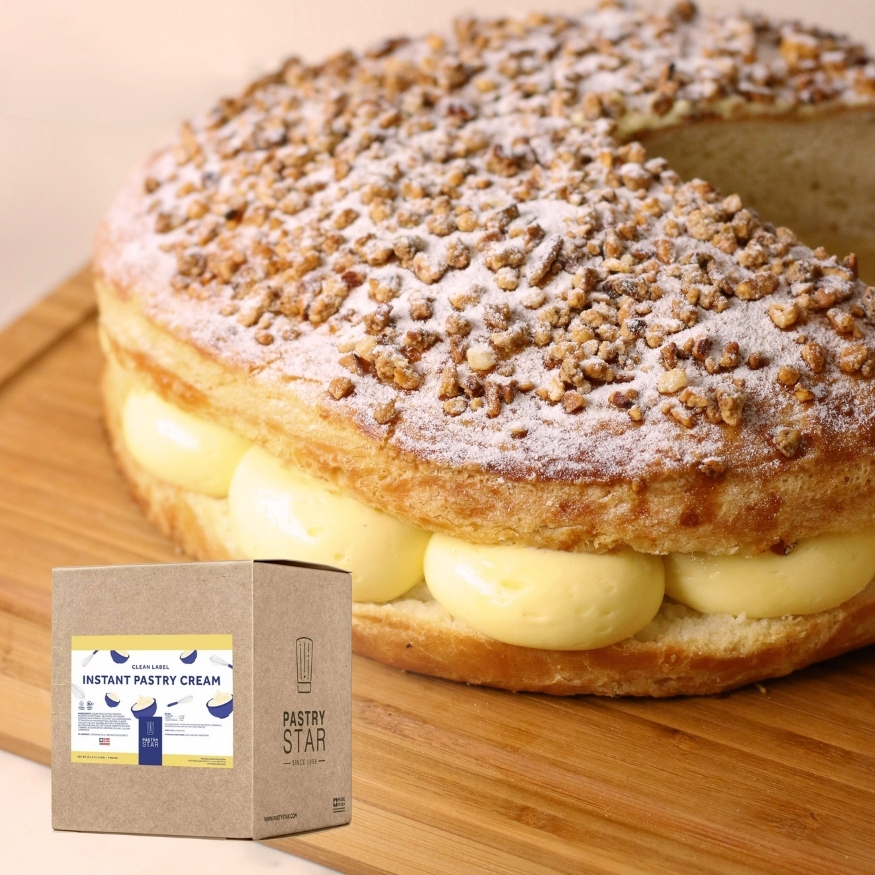
Consumers are increasingly seeking transparency in their food choices, prompting bakers to focus on clean-label products that balance taste, shelf life, and ingredient simplicity. Enzyme-based dough conditioners, natural mold inhibitors, and formulations with or without gums and emulsifiers are gaining popularity. The trend toward plant-based pastries, breads, and cakes reflects both environmental and health-conscious consumer preferences. Clean-label innovation allows industries to meet evolving consumer expectations while maintaining flavor quality and product stability. PastryStar supports this shift by offering premium clean label solutions, carefully formulated to simplify production without compromising taste or safety.


5. Sustainable Practices and Regenerative Agriculture
Sustainability is evolving from a trend to a baseline expectation in the baking industry. Many bakeries are incorporating upcycled ingredients like spent grain and pulp flours, sourcing regenerative grains such as kernza and heritage wheat, adopting carbon-neutral packaging, and implementing waste reduction initiatives. These practices not only meet consumer demand for environmentally conscious products but also support operational efficiency and long-term supply chain stability. The global bakery market, projected to reach $731.69 billion by 2032, is increasingly influenced by sustainability-driven growth.
6. Healthier and Functional Product Innovations
Consumers are seeking baked goods that align with their health goals, dietary needs, and active lifestyles. Products fortified with high-fiber flours, ancient grains, plant-based ingredients, or protein-enriched alternatives are gaining traction. Gluten-free, vegan, and functional baked goods cater to growing health-conscious audiences while maintaining flavor and appeal. As reported by AZO Baking Industry Insights, this trend has driven a notable increase in artisan and specialty bakery offerings, highlighting how wellness-oriented innovation can attract new consumers and expand market reach.


7. AI-Driven Product Development and Market Insights
Artificial intelligence is revolutionizing how bakeries develop products and understand consumer trends. Generative AI enables rapid recipe testing, machine learning forecasts shifts in consumer preferences, and digital twins allow for prototyping textures and baking performance. By leveraging AI, bakeries can accelerate product development, reduce time-to-market, and enhance flavor innovation. This technology also enables data-driven decisions that respond to evolving consumer expectations, reinforcing competitiveness in a crowded marketplace.
8. Personalized and Premium Baking Experiences
Consumer interest in unique experiences and indulgent products is driving growth in personalization and premiumization. Bakeries are experimenting with custom cake design technology, gourmet donut hybrids, artisan sourdoughs, flavored flatbreads, and small-batch snacks with global influences. Despite rising food costs, bakery expenditures rose by 8% in early 2024 compared to the previous year, indicating that consumers are willing to pay more for premium, high-quality, and personalized baked goods. This trend presents opportunities to differentiate brands and create loyal customer bases. PastryStar specialize in custom products made with clean-label, non-GMO ingredients and bold, authentic flavors. From concept to shelf, our team partners with you to create private label and retail-ready solutions tailored to your brand. All products are manufactured and packaged in our SQF-certified Maryland facility, with flexible packaging options available in any size. We prioritize efficiency, quality, and your bottom line. If you can dream it, we can make it.
9. Shifting Consumer Tastes and Preferences
Shifting consumer behavior continues to shape product innovation across the baking sector. Interest in global flavors, better-for-you ingredients, indulgent treats, and specialty diets like high-protein or gluten-free options is redefining menus and driving product diversification. Bakeries that anticipate and adapt to these evolving tastes can capitalize on emerging market segments, strengthen customer engagement, and enhance their competitive advantage.
10. Direct-to-Consumer, E-Commerce, and On-Demand Trends
Direct-to-consumer sales, e-commerce, and on-demand delivery are transforming how baked goods reach consumers. Subscription boxes, cake kits, pet treats, and freezer-ready heat-and-eat products are growing in popularity, while third-party fulfillment and last-mile delivery partnerships are reshaping distribution. These channels complement traditional retail while meeting consumer expectations for convenience, flexibility, and speed. According to AZO Baking Industry Insights, DTC and e-commerce are contributing significantly to the bakery sector’s revenue and profit growth, highlighting the importance of modern delivery strategies.
IBIE 2025 highlighted how innovation, sustainability, automation, clean-label formulation, and digital strategies are reshaping the global baking industry. By understanding and acting on these trends, bakeries can increase efficiency, meet evolving consumer demands, and drive growth in a competitive market.
Contact us for more information.

Follow us on Instagram & LinkedIn!


Tags and Categories