


HHS, FDA Ban Artificial Dyes, PastryStar Is Ready with Natural Alternatives
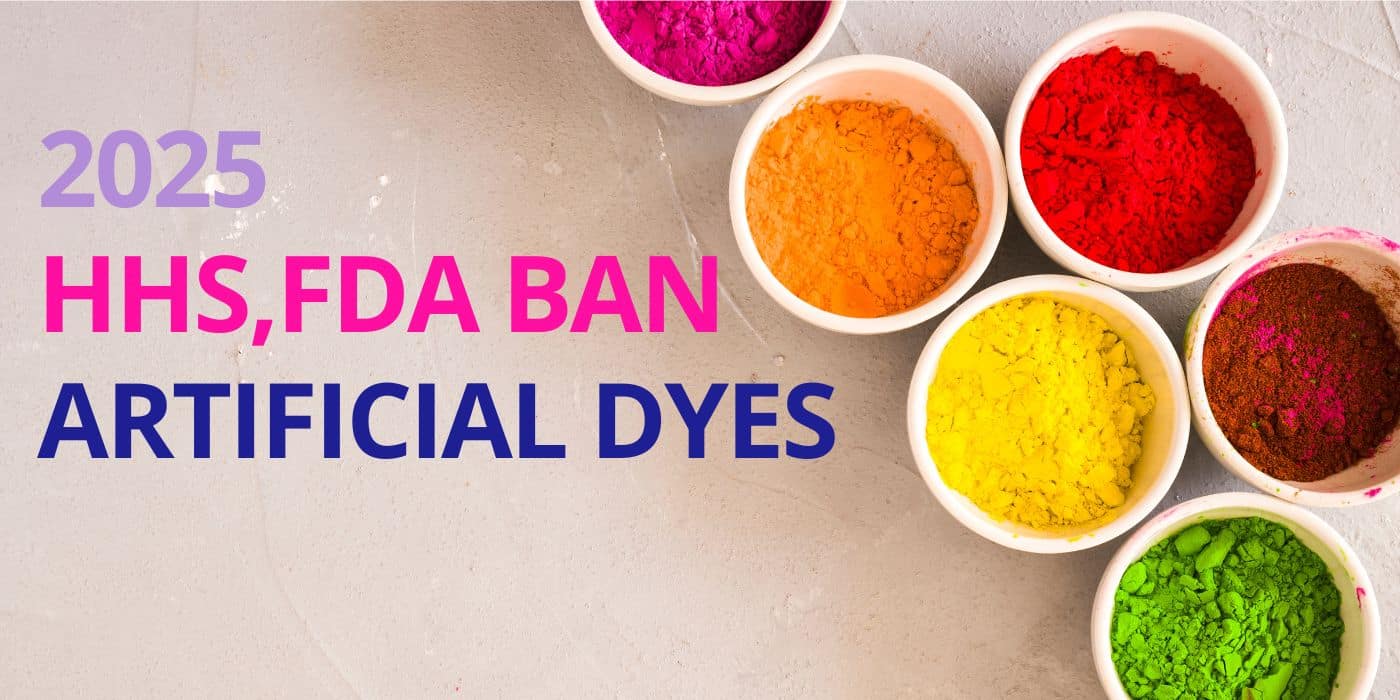
On April 22, 2025, the U.S. Department of Health and Human Services (HHS) and the Food and Drug Administration (FDA) made a landmark announcement: they are banning artificial dyes. This move is expected to reshape the nation’s food supply chain over the next two years. A new federal policy will phase out synthetic, petroleum-based dyes such as Red 3 and Yellow 5. The voluntary transition applies to all U.S. food products and is set to be completed by the end of 2026.
According to The Wall Street Journal, more than 10% of U.S. grocery items contain at least one artificial dye, and over 40% of those items contain three or more. Red 40 appears in roughly 39,000 products.

Tipping Point in Food Regulation: The Impact of the Federal Ban
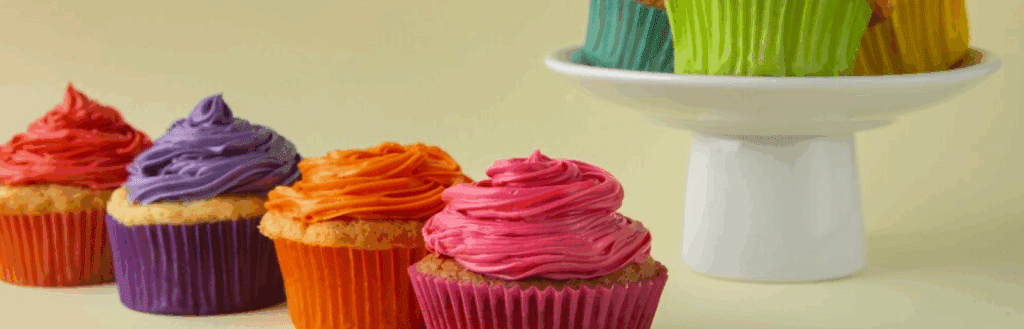
The phase-out targets eight widely used synthetic food dyes made from petroleum. These dyes appear in cereals, candies, sodas, and baked goods.
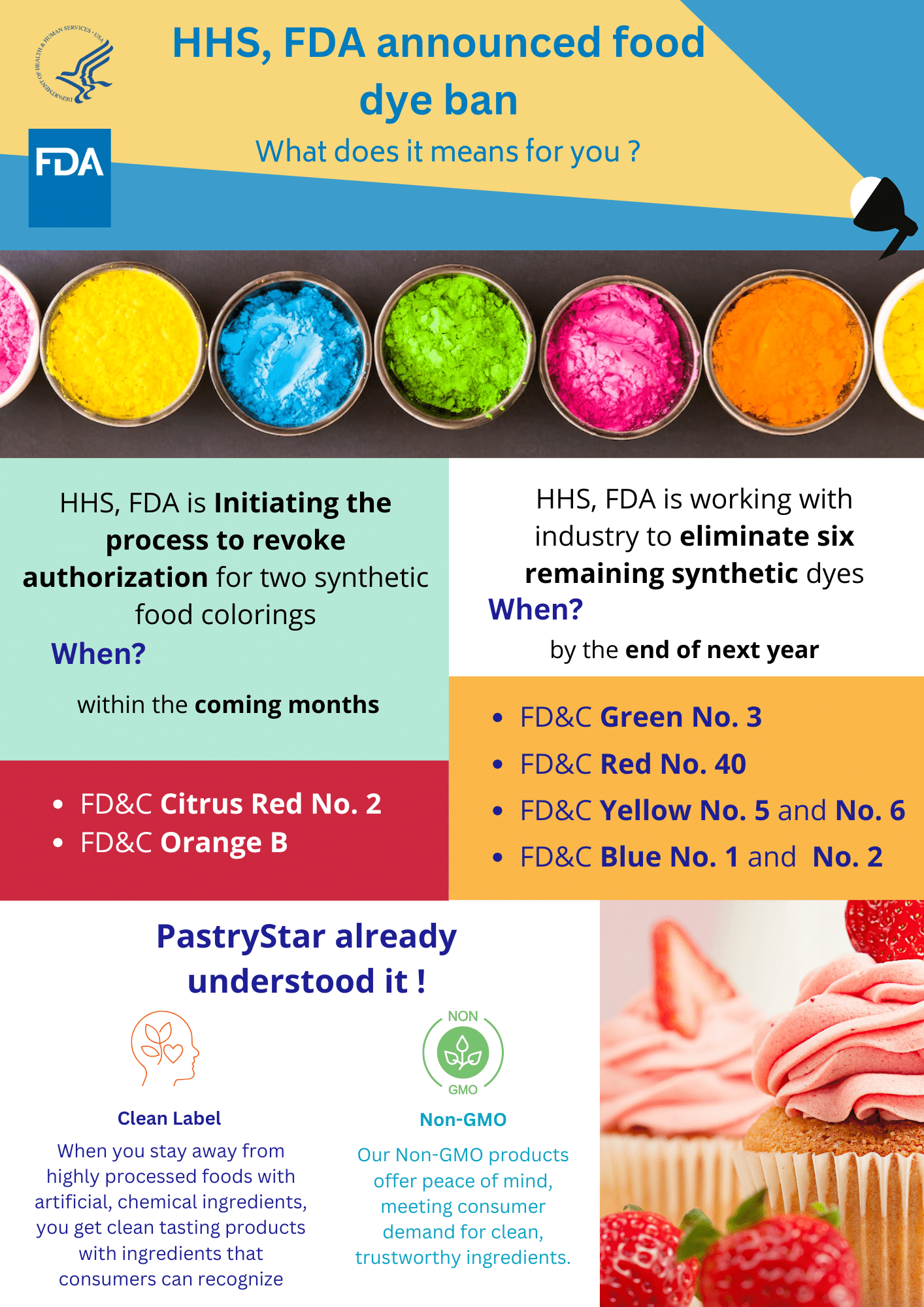
The FDA is banning the artificial coloring and is taking the following actions:
- Establishing a national standard and timeline for the food industry to transition from petrochemical-based dyes to natural alternatives.
- Initiating the process to revoke authorization for two synthetic food colorings, Citrus Red No. 2 and Orange B, within the coming months.
- Working with industry to eliminate six remaining synthetic dyes: FD&C Green No. 3, FD&C Red No. 40, FD&C Yellow No. 5, FD&C Yellow No. 6, FD&C Blue No. 1, and FD&C Blue No. 2, from the food supply by the end of next year.
- Authorizing four new natural color additives in the coming weeks, while also accelerating the review and approval of others.
- Partnering with the National Institutes of Health (NIH) to conduct comprehensive research on how food additives impact children’s health and development.
- Requesting food companies to remove FD&C Red No. 3 sooner than the 2027-2028 deadline previously required.
The agencies have indicated that natural alternatives will be supported through a fast-tracked approval process. Dyes such as butterfly pea flower extract (used for vibrant blues), turmeric and beta-carotene (for yellows and oranges), and beet juice (for reds and purples) are all being explored as safe, plant-based replacements. The FDA has committed to working closely with manufacturers to evaluate and approve these colorants as rapidly as possible without compromising safety or quality standards.
Artificial Dyes: A Major Risk for Children

While the policy currently emphasizes a “voluntary” transition, the language of the joint HHS/FDA announcement to ban artificial dyes made it clear that the agencies expect full industry compliance. In practice, this marks the strongest regulatory stance the FDA has taken in decades against synthetic colorants in processed food. The announcement followed rising public concern over artificial dyes. Scientific evidence suggests they may affect behavior and health, especially in children. Alarmingly, dietary surveys indicate that 94% of Americans over age 2 ingest Red 40, and about 43% of foods marketed to kids contain artificial coloring. (FDA, HHS, The Wall Street Journal)
The Legal Landscape Behind the Federal Ban on Artificial Dyes
This new federal action is especially significant because it follows years of fragmented state-level legislation. These measures pressured the FDA to act nationally. Several states, frustrated by federal inaction, had already begun regulating or outright banning the use of synthetic dyes in food, particularly in schools and children’s products.
States Stepped In First
California led the charge in 2023 with the passage of Assembly Bill 418, which restricted the sale of food products containing Red 3 and several other additives in the state. The law, heavily influenced by similar bans in the European Union, sent shockwaves through the U.S. food industry. Because California is one of the largest consumer markets in the world, manufacturers would either need to reformulate their products entirely or develop region-specific versions to comply with California’s new legal standards.
Shortly thereafter, West Virginia adopted legislation prohibiting the use of synthetic dyes in all public-school meals. Though the law applies only to government-funded food programs, its impact was immediate: local school districts began removing certain products from vending machines and meal plans, prompting suppliers to reconsider the use of synthetic colors in all youth-targeted foods.
In Pennsylvania, similar legislation is now advancing through the state legislature. While the bill is still under debate, it follows the same pattern, citing scientific studies, public health risk assessments, and the lack of consistent federal guidance as justification for state-level action.
Here is a map of state-level food safety bills concerning the artificial food coloring Red 3:
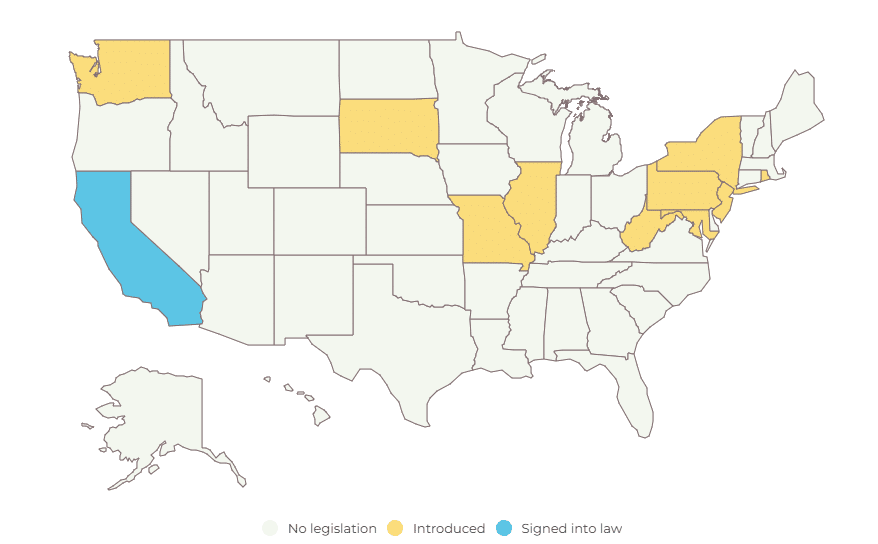
Center for science in the public interest, Updated: April 17, 2024
This patchwork of regulations created a legal and logistical minefield for food producers. Maintaining compliance across different jurisdictions meant either maintaining multiple supply chains or accelerating reformulation across the board. The HHS and FDA’s new plan is thus not only a public health initiative, but also a measure of regulatory harmonization. By creating a unified, nationwide standard, the federal agencies are easing the burden on manufacturers and consumers alike, ensuring that all Americans, regardless of geography, have access to food free from the most controversial artificial dyes.
For a deeper dive into the implications of recent regulatory changes, including the FDA’s ban on Red Dye No. 3, check out our article FDA Bans Red Dye No. 3: What It Means for the Food Industry.
How to Adapt to the New Food Coloring Legislation
The Choice of Natural Dyes

For PastryStar, this policy change is welcome news, and not a disruption. Every product we offer is colored exclusively with natural ingredients, including vibrant fruit and vegetable extracts, and turmeric.
Our commitment stems not just from customer demand, but from our belief in long-term food integrity. As consumers increasingly ask, “what’s in my food?”, we’ve prioritized transparency and quality. Natural dyes do pose formulation challenges, some are less stable under heat or light, and they tend to be more expensive, but our R&D team has developed methods to maintain both the color and shelf-life performance our customers expect.
What sets PastryStar apart is that we didn’t wait for a mandate. We moved early, investing in research, reformulation, and quality assurance to ensure that our entire product line meets the highest safety and ethical standards. As a result, we are fully aligned with the FDA and HHS’s roadmap without needing to change a single recipe. For our customers, bakeries, chefs, food retailers, and conscious consumers, this means they’re already ahead of the curve just by choosing PastryStar products.
Looking Ahead: Industry Shifts and Consumer Expectations
The FDA and HHS plan to ban artificial dyes will continue unfolding over the next 18–24 months, with new regulatory filings, public hearings, and ongoing scientific reviews. Although the initiative is “voluntary,” pressure from regulators and states makes compliance almost unavoidable. Consumers and advocates demand change.
For the broader industry, the move represents a profound shift. Reformulating products is a complex process that requires time, sourcing strategy, technical expertise, and capital investment. The push for cleaner labels and transparency is stronger than ever. Companies that delay risk legal trouble and losing consumers.
Consumers, meanwhile, should expect more clarity on labels and a gradual visual shift in familiar products. Foods might appear slightly less fluorescent, but they will be safer, simpler, and more aligned with modern health standards.
For PastryStar this is not as a challenge, but as a confirmation of our values. Our naturally colored pastries and fillings demonstrate that beautiful food doesn’t require synthetic shortcuts. Color should nourish, not compromise, and that’s the standard we’ll continue to uphold.
Get Your Natural Food Coloring First!
At PastryStar, we are actively working on expanding our own line of clean-label, all-natural food colorings. Our R&D team is currently testing a range of stable, plant-based pigments designed for bakery and pastry applications. If you’re interested in learning more or testing samples, Contact us! We’re excited to share this next chapter in food innovation with you.
PastryStar, Clean Label and Non-GMO ingredients
For ingredient manufacturers like PastryStar, the current artificial dyes ban poses significant challenges. Companies are reassessing their strategies for sourcing raw materials, formulating products, and adjusting sales approaches to remain competitive.

We are supporting our clients through this evolving landscape. Our dedication to innovation allows us to assist businesses in expanding their product lines beyond egg-based products. Discover our range of products and find out how we can help you craft exceptional desserts and baked goods that meet today’s demands. At PastryStar, we offer an extensive array of products designed to meet the diverse needs of the baking and culinary industries.

Don’t miss out on our future Pastry and Bakery Reports! Subscribe to our newsletter to receive the latest insights, news, and trends directly to your inbox. Stay informed and be the first to know about important developments in the market. Sign up today!

Others Blog Articles…




Tags and Categories