



FDA Bans Red Dye No. 3: What It Means for the Food Industry
Here’s What You Need to Know About the FDA’s Ban on Red Dye No. 3: What It Means for the Food Industry.
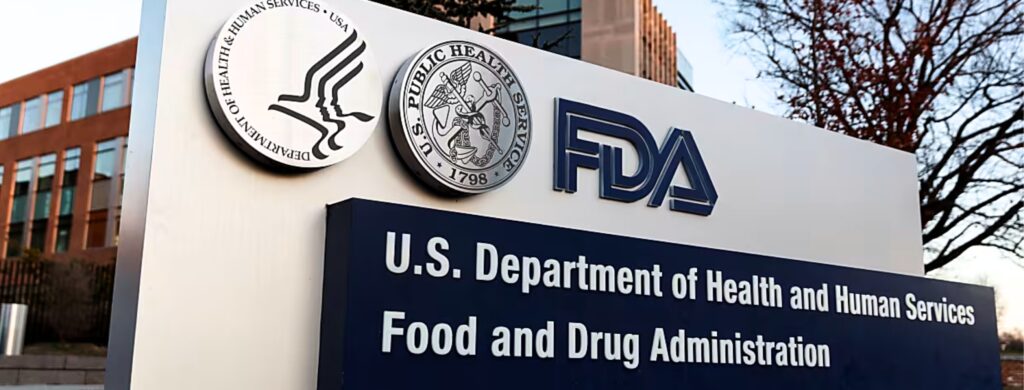
On Jan. 15, The Food and Drug Administration (FDA) banned the Red dye No. 3 from the country’s food supply, nearly 35 years after it was banned in cosmetics due to potential cancer risks. According to the CSPI, Center for Science in the Public Interest, more than 9,200 food products contain this dye, including hundreds of products manufactured by major food companies.
The Red dye No. 3, also known as erythrosine or FD&C Red No. 3, is a petroleum-based dye that is now removed from the list of approved food colorants. Authorities also ban its use in dietary supplements and oral medications, such as cough syrups. Over three decades ago, the FDA denied approval for Red No. 3 in cosmetics and external-use drugs, as a study showed it caused cancer when ingested by rats.
“This is an important decision because it addresses the concerns of many people regarding the safety of this chemical in food,” Dr. Jonathan Jennings, an internist at Medical Offices of Manhattan, told HuffPost. The ban is in response to a 2022 petition filed by several food safety and health advocates urging the agency to revoke the approval for the substance, which gives candies, cakes, drinks and medications their vibrant red color. The FDA cited the Delaney Clause of the Federal Food, Drug, and Cosmetic Act (FD&C Act), which requires the agency to ban additives found to cause cancer in people or animals.

Why is the Red 3 ban significant? A Long-Awaited Victory for Consumer Public Health.
The FDA’s efforts to ban the dye have been ongoing for decades. The agency discovered that this additive was potentially carcinogenic after a study in the 1980s revealed tumors in male rats exposed to high doses of the product. “This is a big win for consumers, as this carcinogenic chemical will finally be removed from the food supply. This has been long anticipated,” said Melanie Benesh, Vice President of Government Affairs at the Environmental Working Group, a health research and advocacy organization that joined the petition to end the use of Red No. 3. “We are thrilled that the FDA has finally made it happen.” This aligns with consumer demand for safer, cleaner food products while promoting the use of natural, non-toxic alternatives and reinforcing the FDA’s commitment to safety.
Legislators highlighted the importance of the Red No. 3 ban, citing the Delaney Clause and emphasizing the need to protect children, who consume more artificial colorants relative to their body weight than adults. According to a recent AP-NORC survey, nearly two-thirds of Americans support restrictions or reformulation of processed foods to eliminate additives like artificial colorants and added sugars.
The ban also reflects a broader consumer trend toward clean-label foods. According to a Nielsen IQ survey, 58% of consumers now favor simple, recognizable ingredients. Additionally, the global natural food coloring market, valued at $1.6 billion in 2021, is expected to grow at a compound annual growth rate (CAGR) of 7.4% through 2028. Companies that align with these trends will remain competitive while fostering consumer trust.
Which foods will the FDA’s ban on Red Dye No. 3 impact?
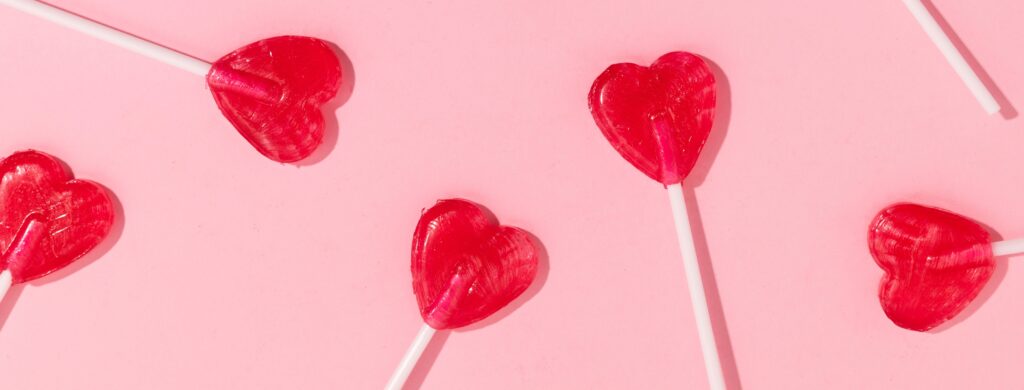
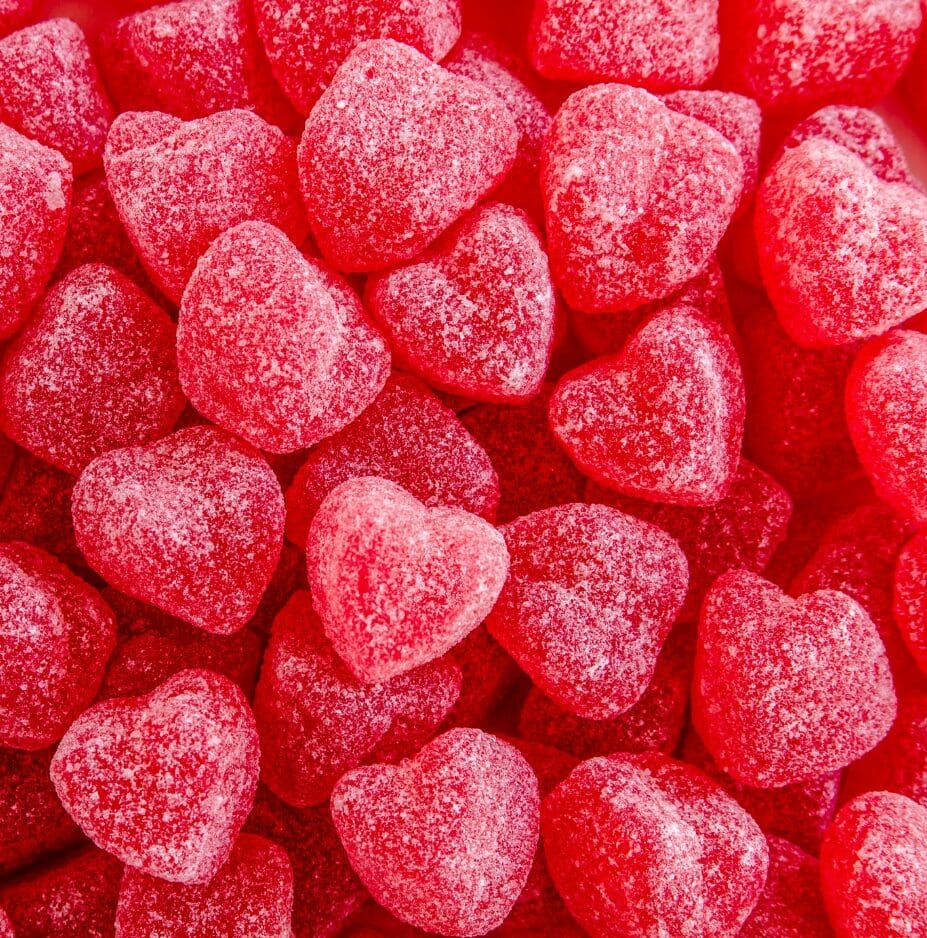
Red Dye 3 is commonly found in a wide variety of products with red, pink, or rainbow hues, including cereals, cakes, candies, cookies, frostings, beverages, vitamins, supplements, maraschino cherries, and cough syrups. Notable examples include Candy Corn, Cupid’s box from Target, PEZ, Ring Pop, Walmart Cookies, Nesquik strawberry-flavored… Surprisingly, manufacturers use Red 3 in products like imitation bacon bits, sausages, and seasoning packets to enhance their natural red hue with this synthetic dye.
Another widely used red dye is Red 40, which is often added to similar products and has also raised concerns about potential health risks. In addition to Red 3, there are still eight other FDA-approved synthetic colorants: Blue No. 1, Blue No. 2, Green No. 3, Orange B, Red 40, Yellow 5, Yellow 6, and Lemon Yellow. These dyes are widely used to create vibrant colors in foods, beverages, and ingestible medications.

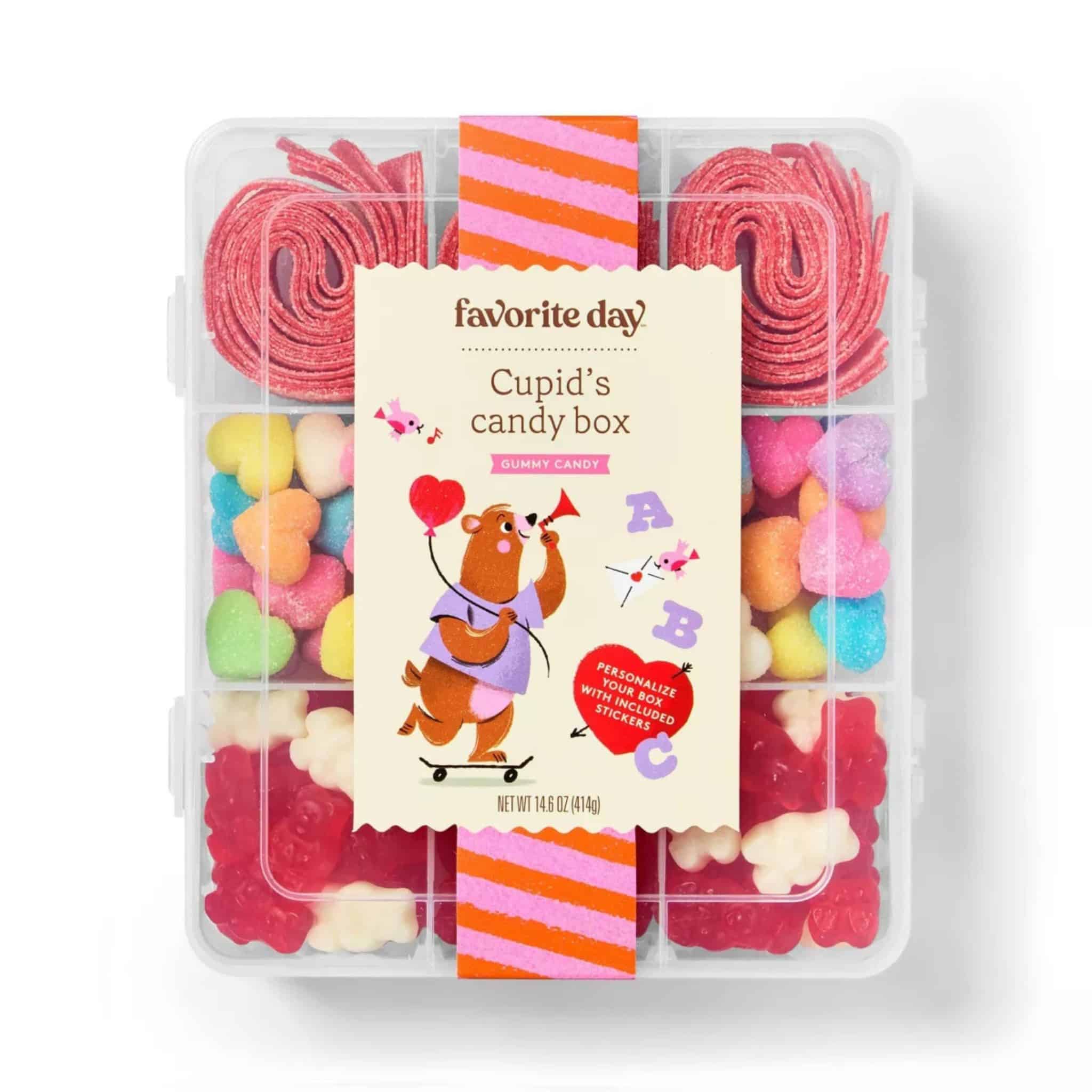
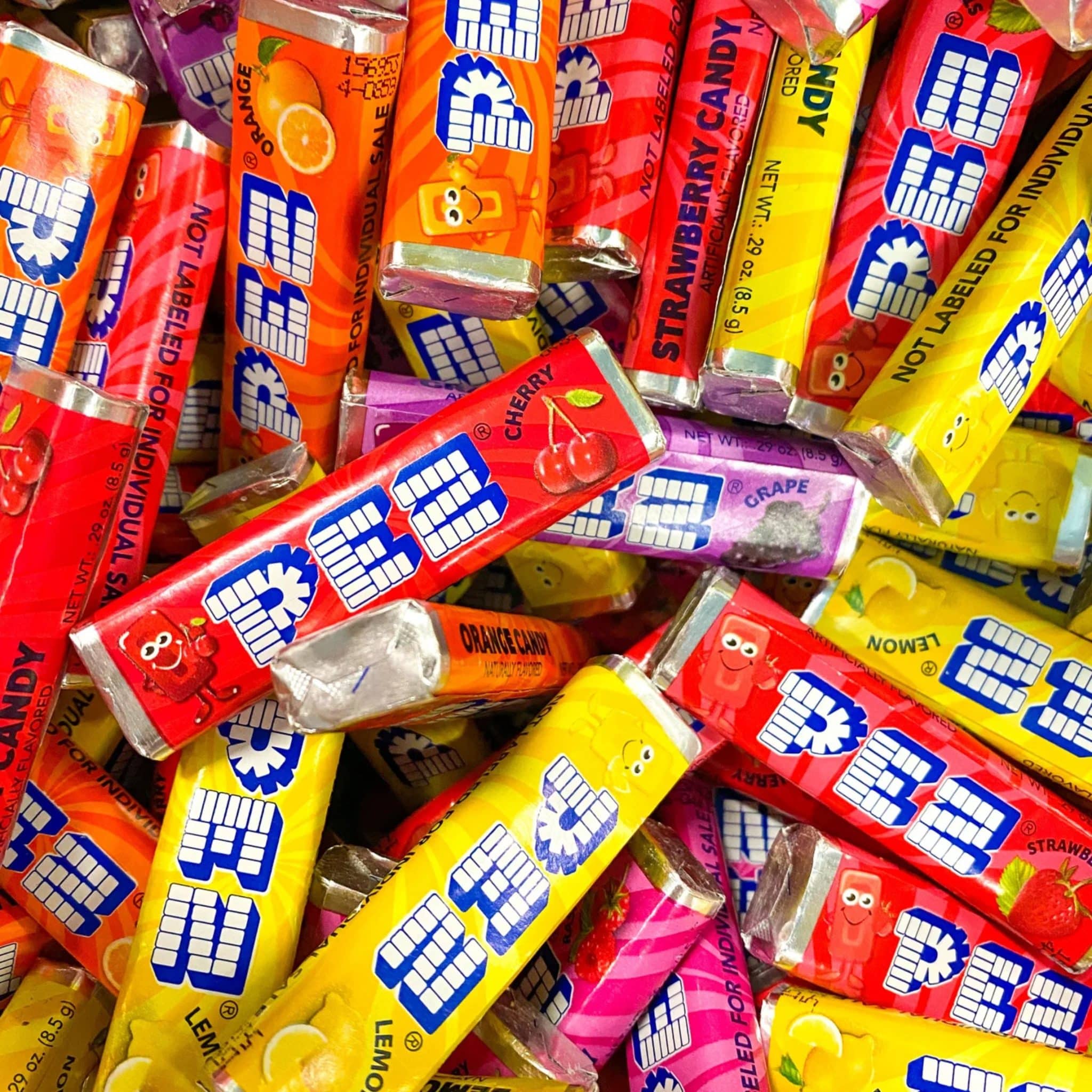

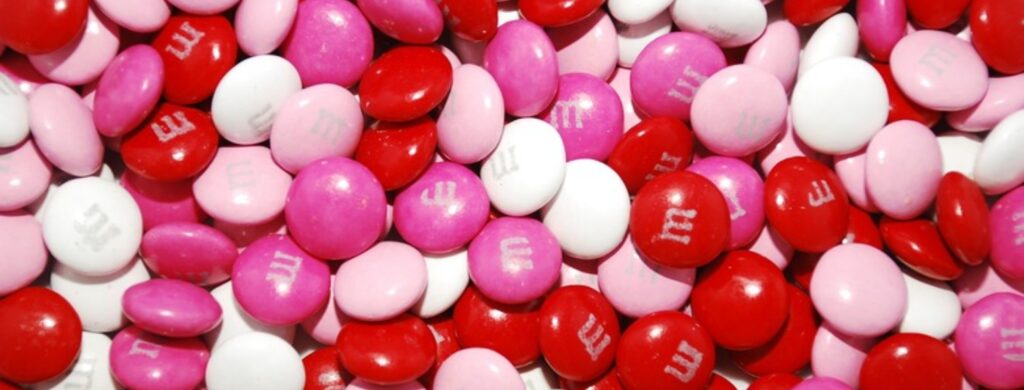
With Valentine’s Day just around the corner, it’s unfortunate that the pink and red hues dominating the season come with a catch – the recent ban on Red Dye 3. Commonly used to achieve those vibrant shades, this dye raises health concerns, prompting the need for safer alternatives. Here’s a breakdown of products that still contain Red Dye 3:
CANDIES: Brach’s Conversation Hearts, Brach’s Candy Corn, Hot Tamales (some varieties), Ring Pop, Cherry-flavored Jelly Beans (certain brands), Red Vines Cherry Licorice, Twizzlers Cherry Licorice, Candy Canes (some red-striped varieties), Gummy Bears (certain brands with bright red colors), Jujubes (red flavors specifically), Red Hots, PEZ…
BAKED GOODS AND SNACKS: Some baked goods and snacks – mostly with red icing – contain Red 3. Like Betty Crocker Red Decorating Icing, Red Frosted Cookies and Cupcakes, Certain Pre-Packaged Snack Cakes, Seasonal Cookies with Red Icing…
DAIRY AND FROZEN DESSERTS: Strawberry-flavored milk, ice cream, frozen yogurt and popsicles.
FRUITS PRODUCTS: Kroger Extra Cherry Canned Fruit Cocktail, Maraschino Cherries, Candied Fruits, Fruit-Flavored Snacks…
BEVERAGES: Strawberry Nutrition Shake, Certain Strawberry Sodas, Fruit-Flavored Drink Mixes, Pre-Mixed Strawberry or Cherry Cocktails…
MEDICATIONS: Gummy Vitamins, Over-the-Counter Cough Syrups, Cough Drops, Chewable Tablets…
Is Red No. 3 Banned in Other Countries?
Already banned in Europe, Australia, Japan, China, UK and New Zealand, Red No. 3 will also be prohibited in California starting January 2027, with similar proposals introduced in states like Tennessee, Arkansas, and Indiana to limit the use of certain colorants in food, especially in public schools.
Manufacturers that use Red Dye No. 3 in foods will have until Jan. 15, 2027, to reformulate their products, while those that use the dye in drugs will have until Jan. 18, 2028, according to the FDA announcement. Foods imported into the United States will also have to comply with the new regulations. Some manufacturers have already taken proactive steps to reformulate their products, replacing Red No. 3 with natural alternatives like beet juice, carmine (from insects), or pigments extracted from purple sweet potato, radishes, and red cabbage.
The Center for Science in the Public Interest recommends that parents avoid all numbered colorants, such as Yellow No. 5 and Red No. 40, to reduce artificial additives in their diets. Also, The EWG’s Food Scores database is a valuable tool, providing details on nutrition, ingredients, and processing for over 80,000 products – including more than 2,000 food items that contain Red 3.
Red No. 3 Banned: New Challenges for the Food Industry.
Reformulating Products
Replacing Red No. 3 in popular products, from candies to sauces and beverages, will require significant research and development. Manufacturers must identify natural colorants that can replicate the desired vibrancy without altering taste, texture, or shelf life. This transition will affect a wide range of food categories, including confectionery, beverages, dairy products, and processed foods.
Rising Costs
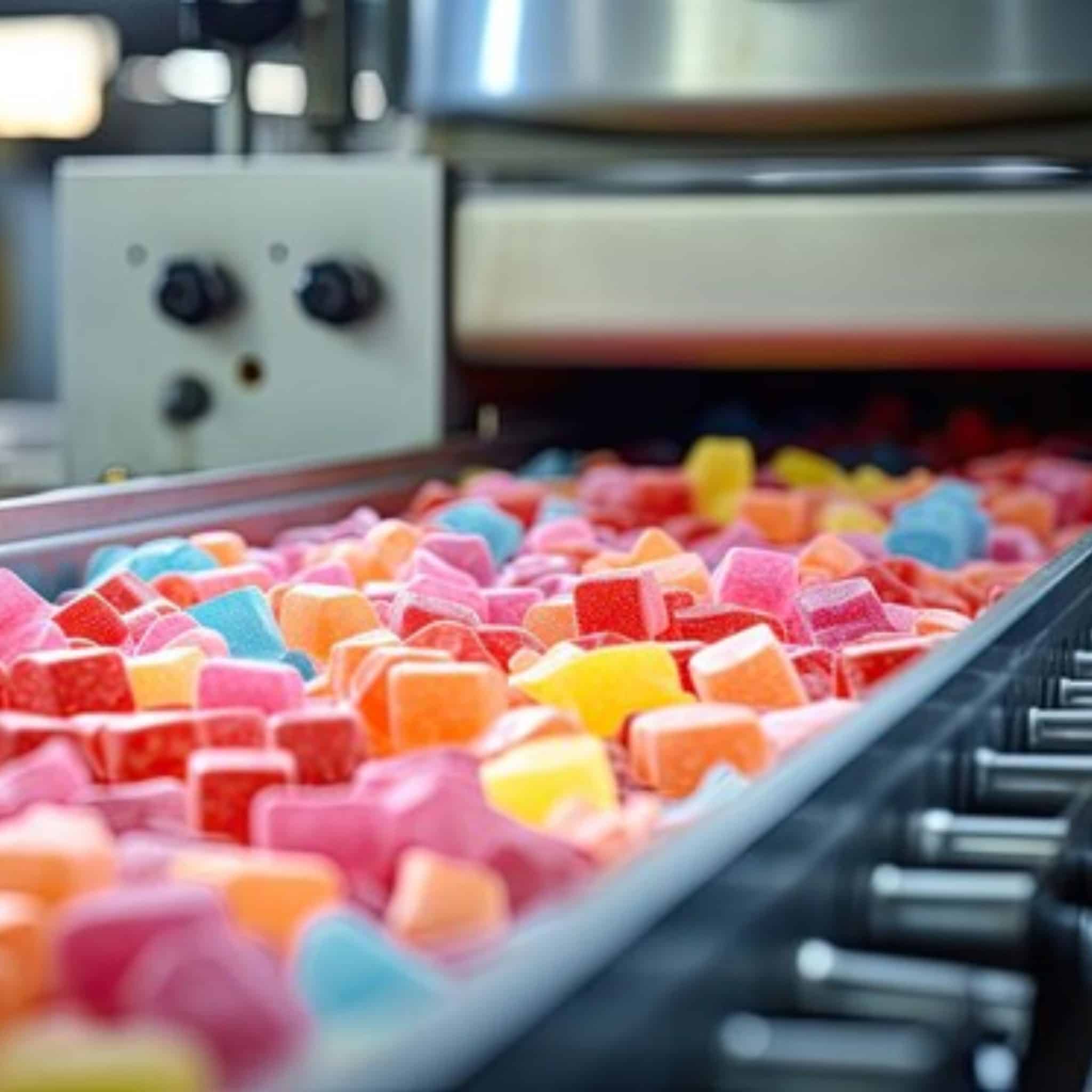
Natural colorants, such as beetroot powder, spirulina, and hibiscus extract, often come at a premium, costing up to 50% more than synthetic alternatives. This price increase could put pressure on production budgets, particularly for smaller food companies or those with tight margins.

Supply Chain Disruptions
The shift to natural colorants will disrupt the supply chain as ingredient suppliers adjust to meet growing demand. Smaller businesses and food manufacturers might experience delays in sourcing these natural alternatives, which could impact product availability and manufacturing timelines.
Opportunities for Industry Innovation.
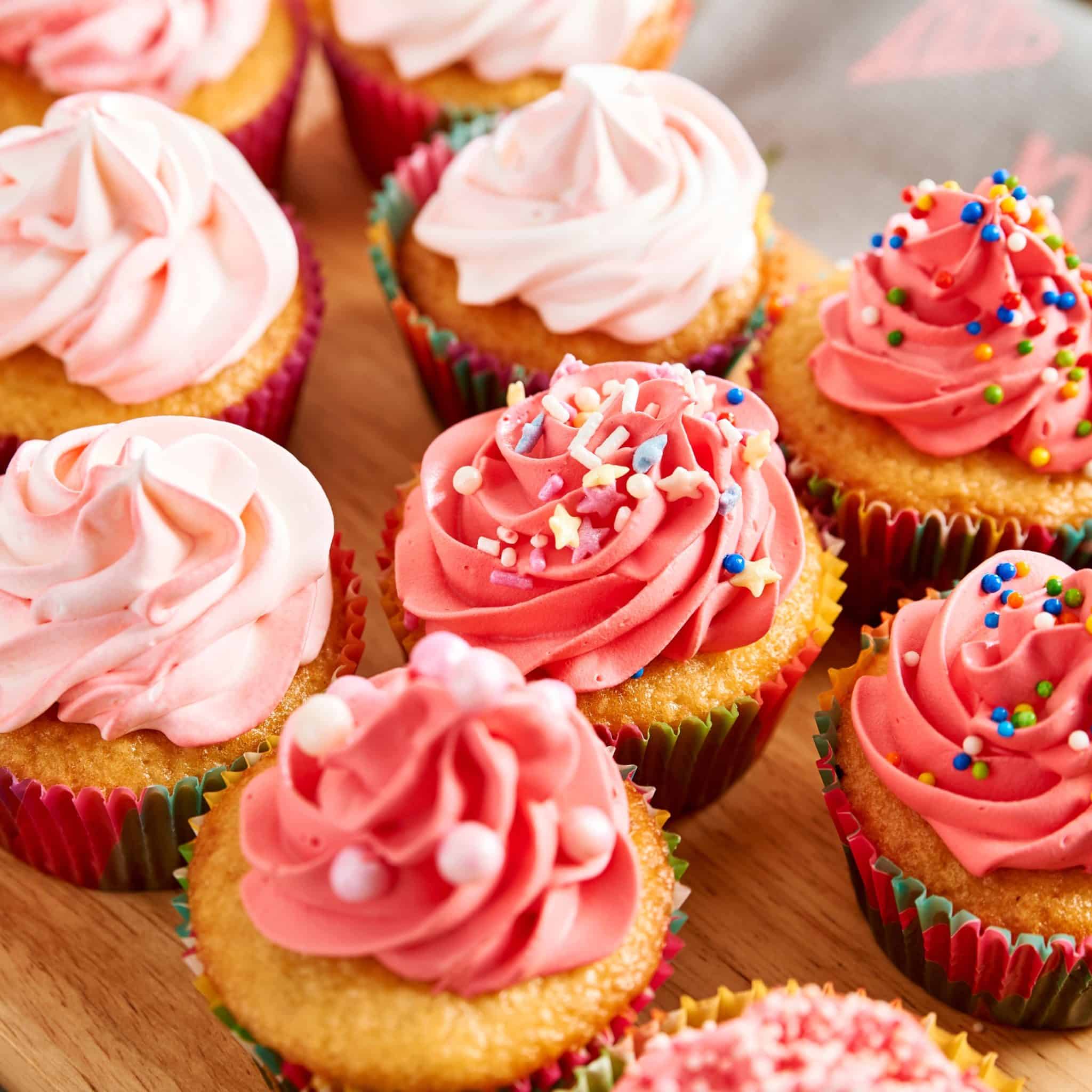
While the challenges are significant, the Red No. 3 ban also opens doors for creativity and market differentiation:
- Capitalize on Clean-Label Trends
Reformulating products to exclude Red No. 3 strengthens clean-label positioning. Clean-label products accounted for nearly 40% of new bakery launches in 2023, highlighting consumer demand for transparency and health-conscious options.
- Natural Colorants Are the Future
Natural ingredients like pomegranate, spirulina, and turmeric offer vibrant hues without artificial additives. According to Mintel, 73% of U.S. consumers are willing to pay more for products made with natural ingredients, creating a lucrative opportunity for businesses that adapt.
PastryStar: Your Partner in Transition.
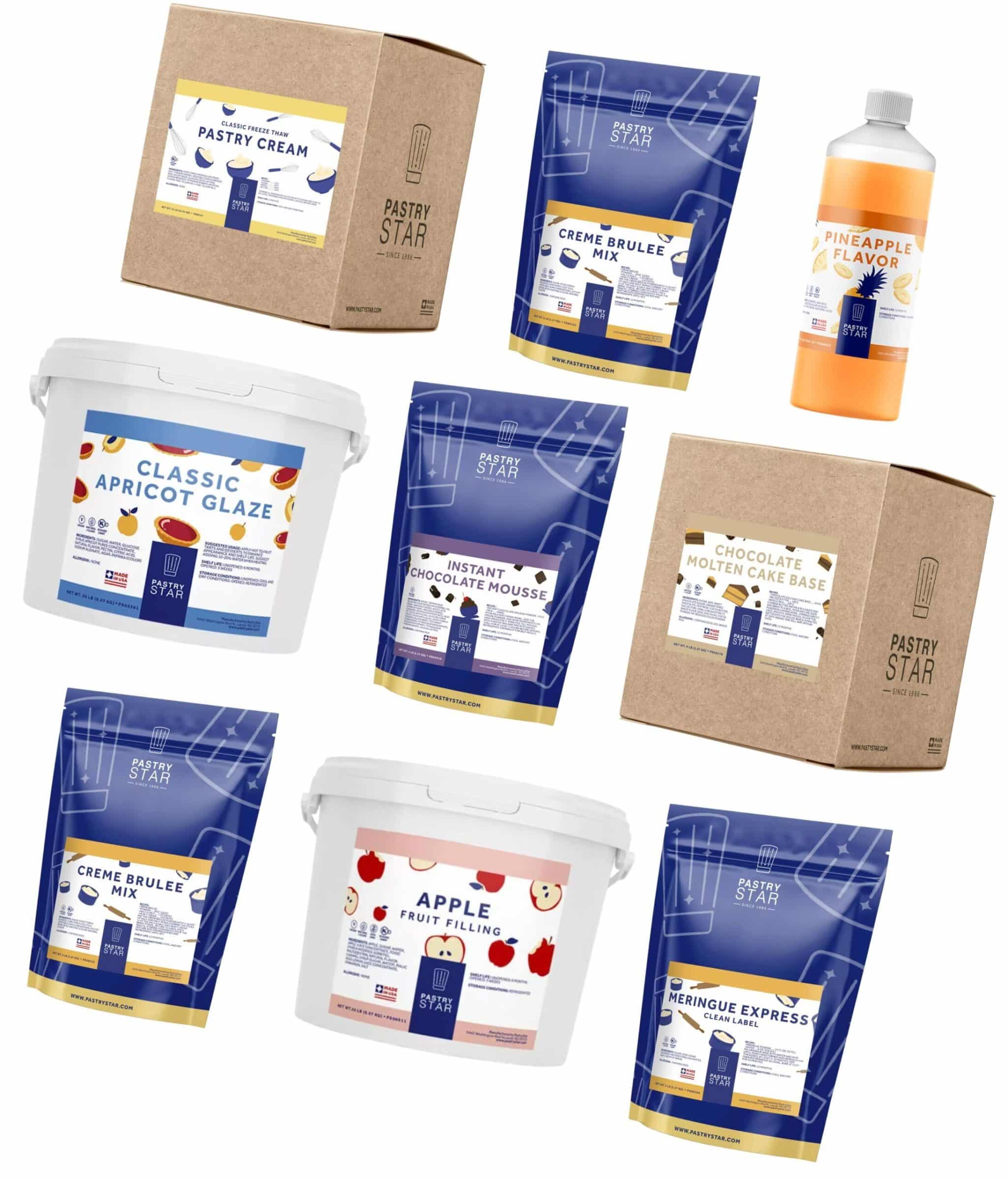
At PastryStar, we actively support the food industry in overcoming challenges like these. We bring high-quality ingredients and expertise to you. Our offerings meet and exceed industry standards, including FDA requirements and certifications such as Kosher, Clean Label and SQF. We pride ourselves on using clean-label, high-quality ingredients with no artificial flavors or preservatives. With decades of experience in the industry, our founders have helped launch numerous products concepts globally. Our team understands the needs of the market and is passionate about helping you succeed.
A Bright, Clean Future for the Food Industry
The ban on Red No. 3 by the FDA is more than a regulatory shift – it’s a pivotal moment for the industry to embrace a cleaner, healthier future. Data shows that the natural food colorants market will surpass $2.4 billion by 2028, creating immense opportunities for growth.
At PastryStar, we’re here to guide you every step of the way. Let’s make this transition together and build a future where quality, creativity, and natural excellence shine. Contact us today to discuss how we can support your production needs. Simply provide your details, and one of our specialists will reach out within one business day to assist you. Let PastryStar help you elevate your products and delight your customers!

Others Blog Articles…


Sources:
FDA bans Red No. 3, artificial coloring used in beverages, candy and other foods
Red dye No. 3: FDA bans ingredient from food | CNN
FDA bans red dye No. 3 from foods | AP News
US FDA bans red dye from foods, years after cosmetics ban – Inside FMCG
Replacing Red 3 in Confections | Sensient : Sensient Food Colors


Tags and Categories