



Walmart Removes Synthetic Dyes: What It Means for Food, Retail & Bakers
BENTONVILLE, Ark., October 1, 2025: Walmart U.S. has announced one of the most significant food reformulations in retail history. By January 2027, the world’s largest retailer will remove synthetic dyes and more than 30 other controversial food additives from its private label brands, marking a new era for the food, retail, and industries.
This decision goes far beyond grocery shelves; it reflects a global movement toward clean label, natural ingredients, and transparent formulations. For PastryStar’s customers (from pastry chefs, industrial bakeries to food manufacturers and distributors) this shift represents both a challenge and a major opportunity to lead with innovation, transparency, and trust.

Walmart’s Announcement: Which ingredients are being removed by 2027 and Why
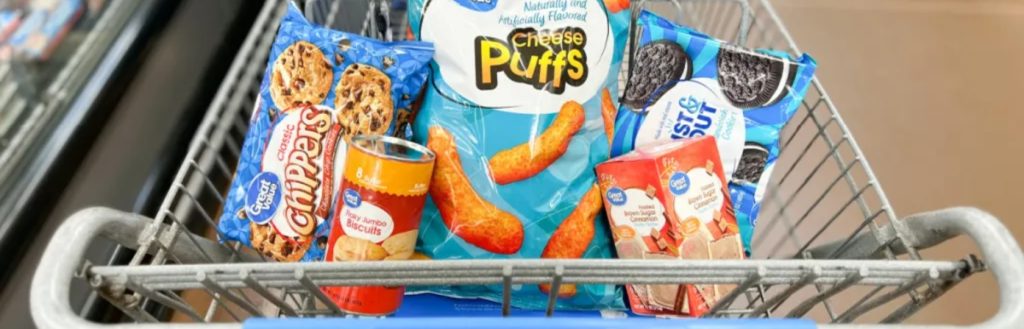
Walmart’s list of Banned Dyes and Ingredients
As the world’s largest retailer, Walmart operates over 10,750 stores and clubs across 19 countries, alongside multiple e-commerce platforms. The company employs approximately 2.1 million associates globally, including 1.6 million in the United States, and is projected to achieve a record $681 billion in revenue for 2025. In line with its commitment to cleaner, more transparent products, Walmart has announced a two-phase plan to eliminate synthetic dyes and other controversial additives from its private-label foods:
Phase 1: Elimination of 11 Synthetic Colors
Walmart will remove the following synthetic dyes from all private-label food products in the United States:
- FD&C Blue 1, Blue 2: Synthetic blue colorants used in candies, beverages, and baked goods, linked to hyperactivity and allergic reactions in sensitive individuals.
- FD&C Green 3: Artificial green dye used in processed foods and confections, associated with potential behavioral and allergic effects.
- FD&C Red 3, Red 4, Red 40: Widely used red synthetic dyes in snacks, drinks, and desserts, linked to hyperactivity in children and possible carcinogenic concerns.
- FD&C Yellow 5, Yellow 6: Artificial yellow dyes used in candies, baked goods, and beverages, associated with allergies and behavioral issues in some individuals.
- FD&C Citrus Red, FD&C Orange B: Synthetic red-orange colorants mainly used in citrus products, with concerns over potential health risks and regulatory scrutiny.
- Canthaxanthin: Artificial orange-red dye used in foods and supplements, linked to skin deposits and eye-related side effects at high intake levels.

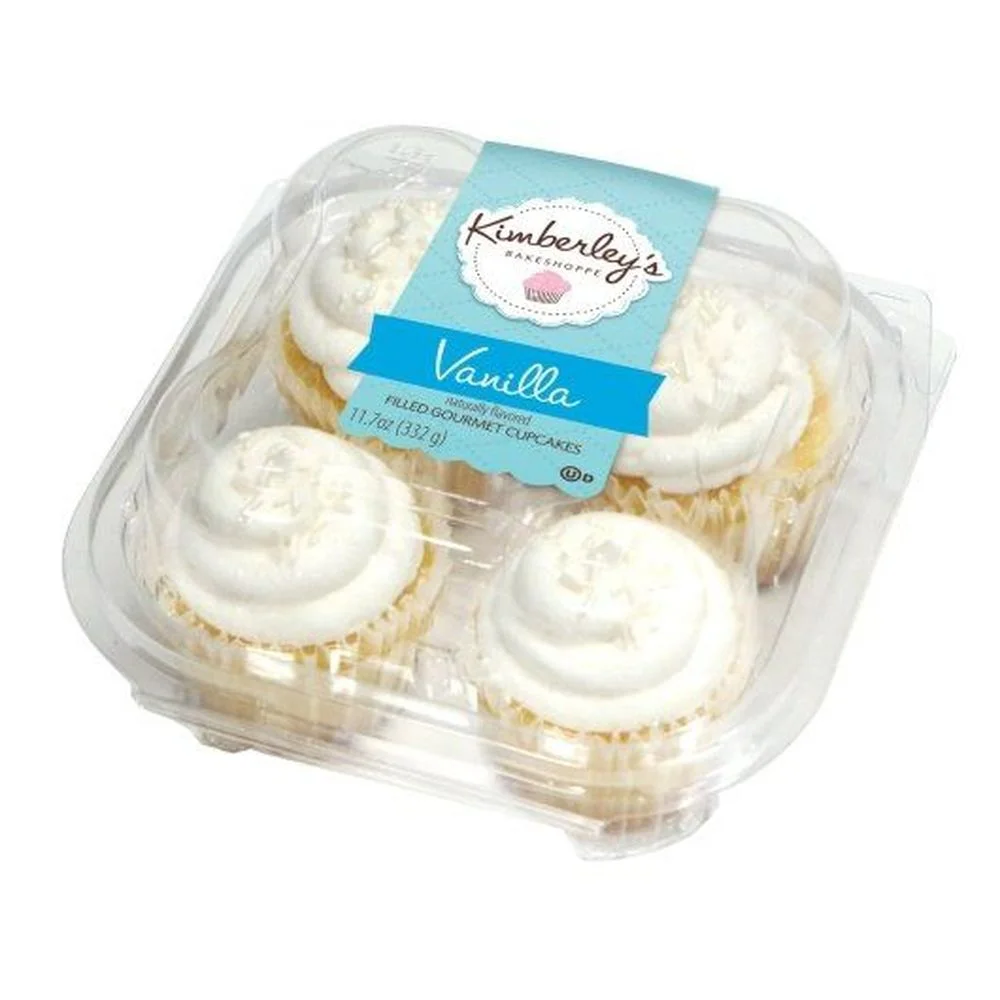

Phase 2: Removal of Over 30 Other Ingredients
This phase targets not only colors but also preservatives, additives, acidifiers, and functional agents, including:
- Titanium dioxide: Used as a whitener and anti-caking agent, has been linked to DNA and immune system damage, banned in the EU since 2022.
- Azodicarbonamide (ADA): Commonly used as a dough conditioner, has been banned in several countries due to links with respiratory issues and potential carcinogenic effects when heated.
- Propylparaben, methylparaben: Used as an antimicrobial preservative, have been linked to endocrine disruption and negative effects fertility.
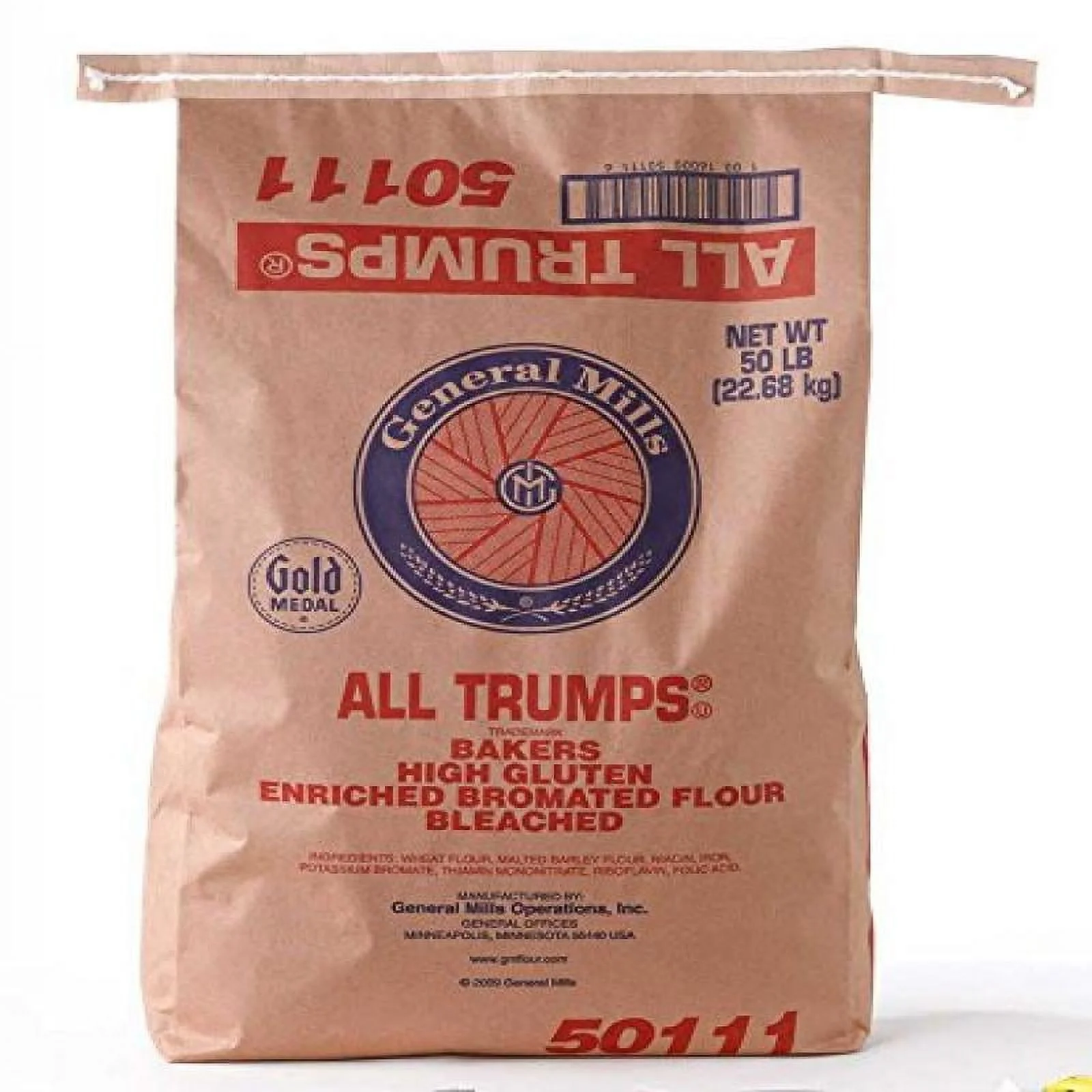
- Bromated flour, potassium bromate, calcium bromate: Commonly found in baked goods, potassium bromate acts as an oxidizing agent and is classified as “possibly carcinogenic to humans”.
- Phthalates: Found in food packaging and processing materials, have been associated with hormonal disruptions, developmental issues, and fertility problems.
- Synthetic trans fats: often found in margarine, fried foods, and baked goods, increase the risk of heart disease.
- Artificial sweeteners (Advantame, Neotame): Used as low-calorie sugar substitutes, they are hundreds to thousands of times sweeter than sugar, raising concerns over metabolic effects and consumer transparency.
- Talc, and others… (full list on Walmart)

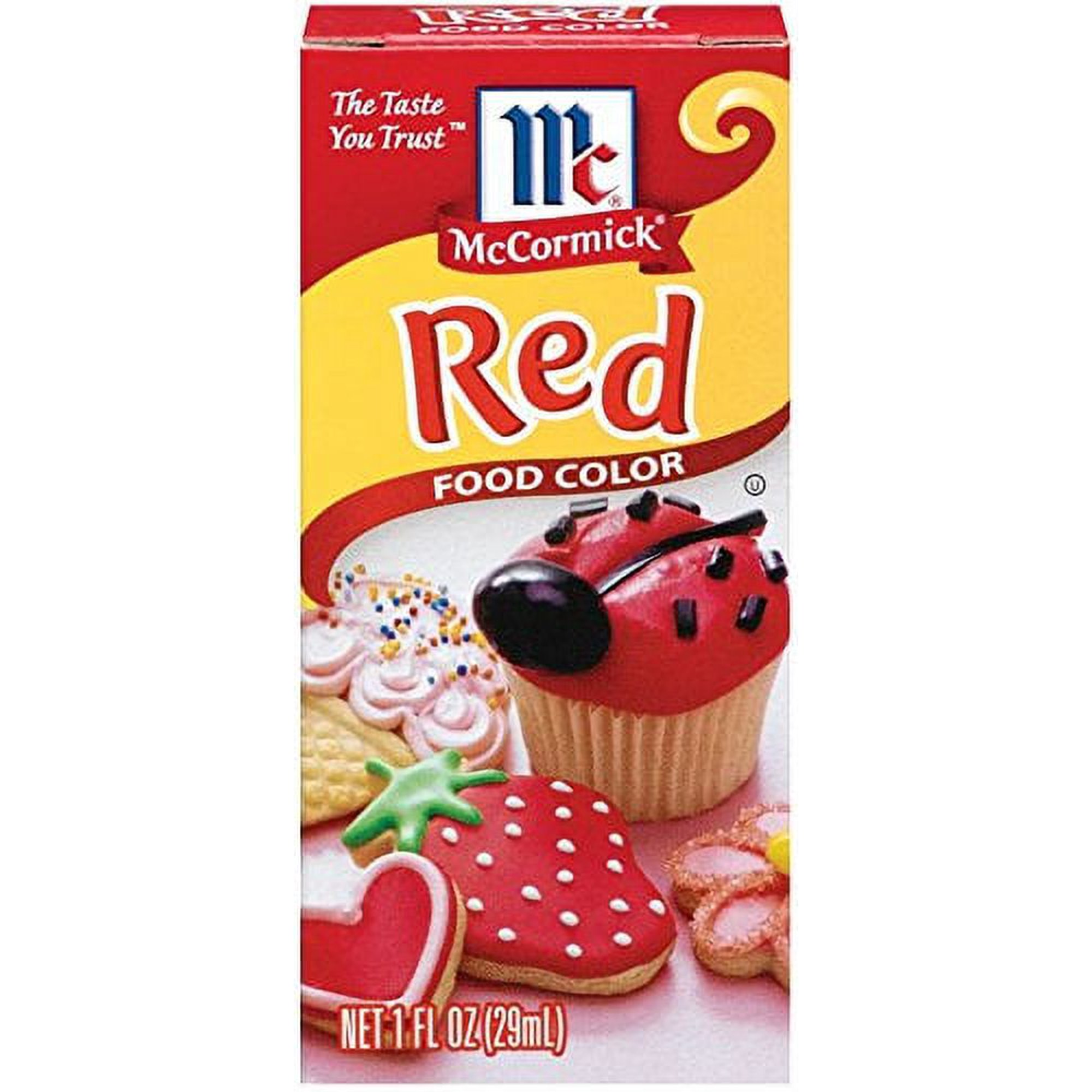
According to Walmart, around 90% of its private label products are already free of synthetic dyes, making this initiative the final step in completing the transition to cleaner, more natural ingredients.
Understanding Synthetic Dyes
Synthetic dyes are artificial colorants chemically derived from petroleum or coal tar. They have long been used in food manufacturing, from candies and frostings to beverages and baked goods, to provide vibrant, uniform colors. However, growing research and increased public awareness have linked these dyes to potential long-term health concerns, prompting a global shift toward natural, plant based colorants and clean label alternatives.
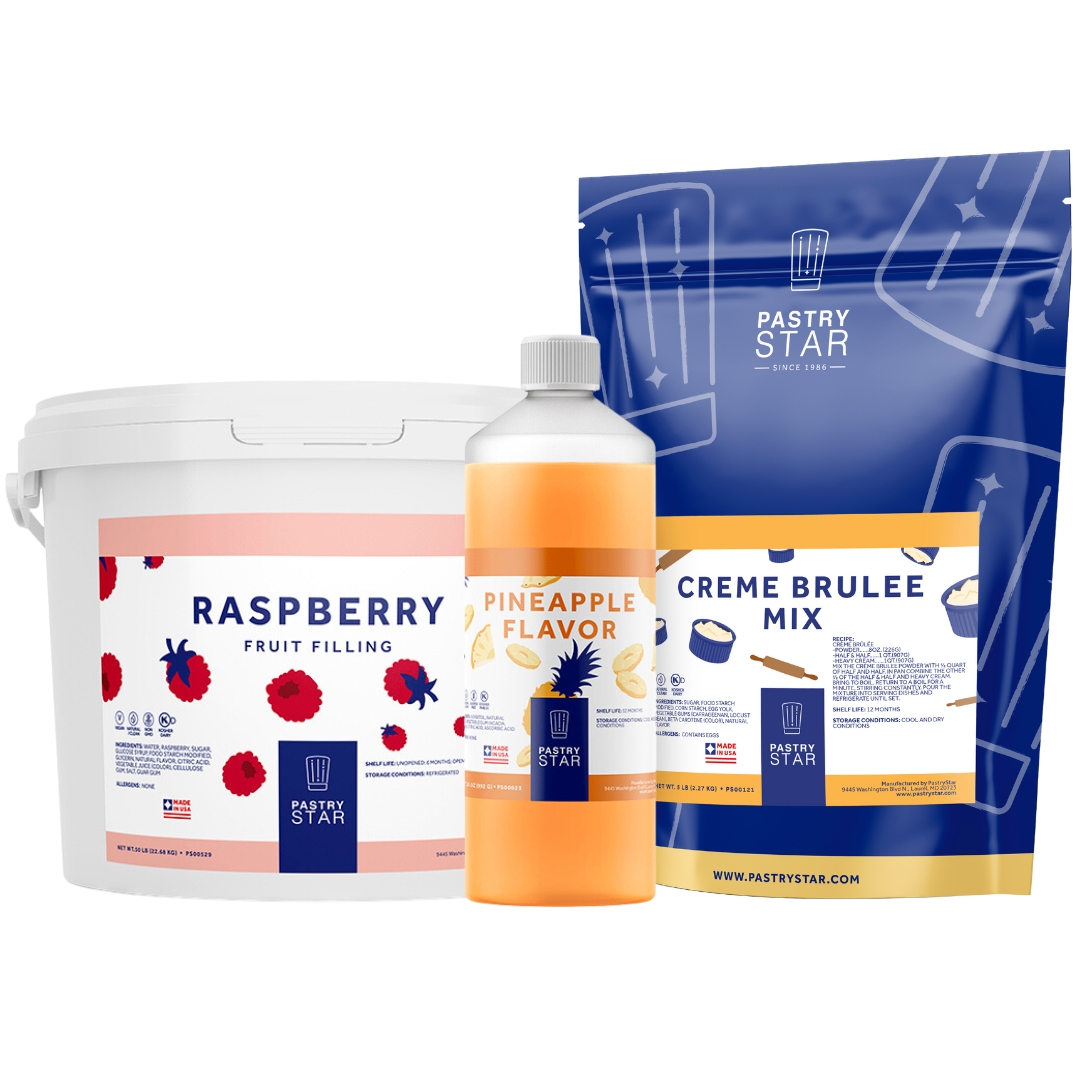
At PastryStar, our complete range of clean label ingredients is free from artificial colors, flavors, and preservatives. Instead, we rely on fruit purées, vegetable extracts, and plant-based colorants to deliver authentic flavors and vibrant, consistent hues, perfect for pastries, desserts, and other industrial bakery products.
This approach not only meets the evolving expectations of consumers but also helps industries and food manufacturers comply with modern transparency standards and clean label formulations. Whether you are reformulating a classic recipe or developing an innovative new pastry, PastryStar provides the technical expertise and high quality ingredients needed to create natural, high-performance products without compromising on taste, texture, or visual appeal.


A Global Shift Toward Simpler Ingredients: Consumer Demand for Food Transparency
Walmart’s move is not isolated; it’s part of a larger “Great Reformulation” happening across the food industry. Indeed, this decision is driven primarily by consumer demand for simpler, more familiar ingredients. In a national customer survey conducted in July 2025, 62% of Walmart customers said they want more transparency in food, and 54% said they actively review ingredients.
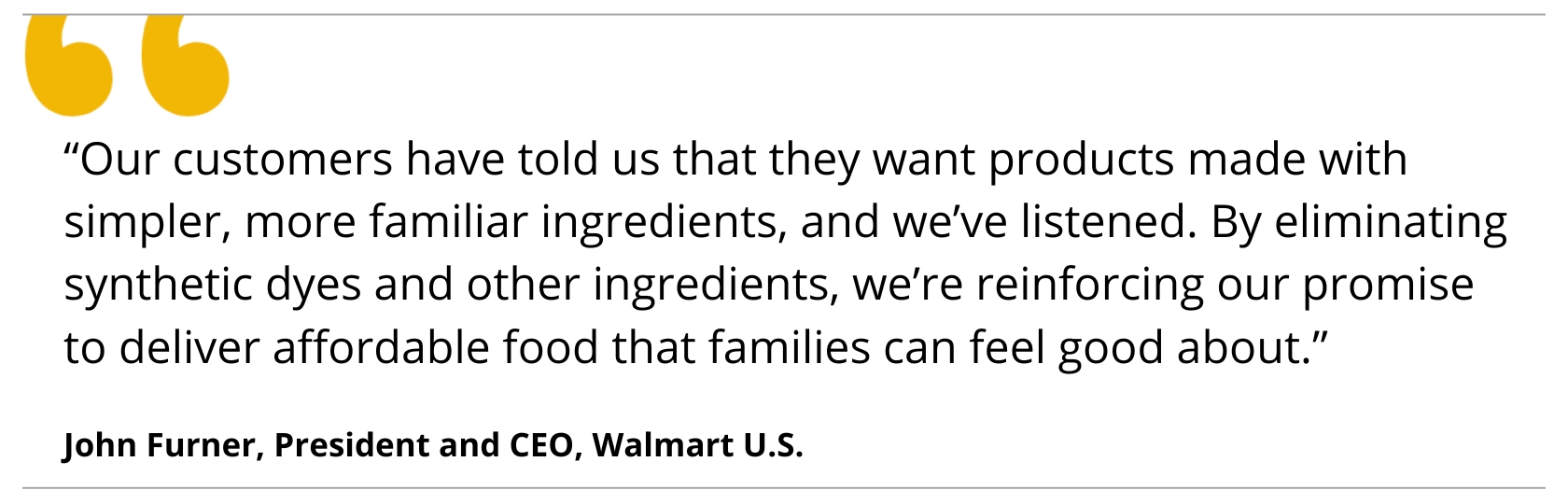
John Furner, President & CEO of Walmart U.S., is quoted: “Our customers have told us that they want products made with simpler, more familiar ingredients, and we’ve listened.” The timeline is ambitious: reformulated products will begin rolling out over the coming months, with more complex changes wrapped by January 2027. Several industry shifts and policy developments are converging:
Government scrutiny & public health campaigns: The current U.S. administration, under Health Secretary Robert F. Kennedy Jr., is pushing for a phase-out of petroleum-based synthetic dyes. Some sees this as part of a broader “Make America Healthy Again” agenda.
Other major food brands are responding:
- Kraft Heinz has committed to remove artificial dyes from its U.S. products by end of 2027 and will not launch new products with them.
- General Mills intends to remove synthetic dyes from its cereals and K-12 food lines by 2026, with full portfolio changes by 2027.
- Tyson Foods and Kellogg’s are also reformulating to reduce or eliminate synthetic colorants.
Some of the ingredients Walmart lists as “to remove” are already partially or wholly banned, rarely used, or under heavy scrutiny (e.g. synthetic trans fats, bromates). But critics caution that voluntary pledges lack accountability, and that food companies have historically broken “clean label” promises. Thus, while Walmart’s scale makes this newsworthy, execution will matter, and the downstream effects on ingredient suppliers, food formulators, and consumers will be closely watched.
What This Means for the Pastry & Baking Industry
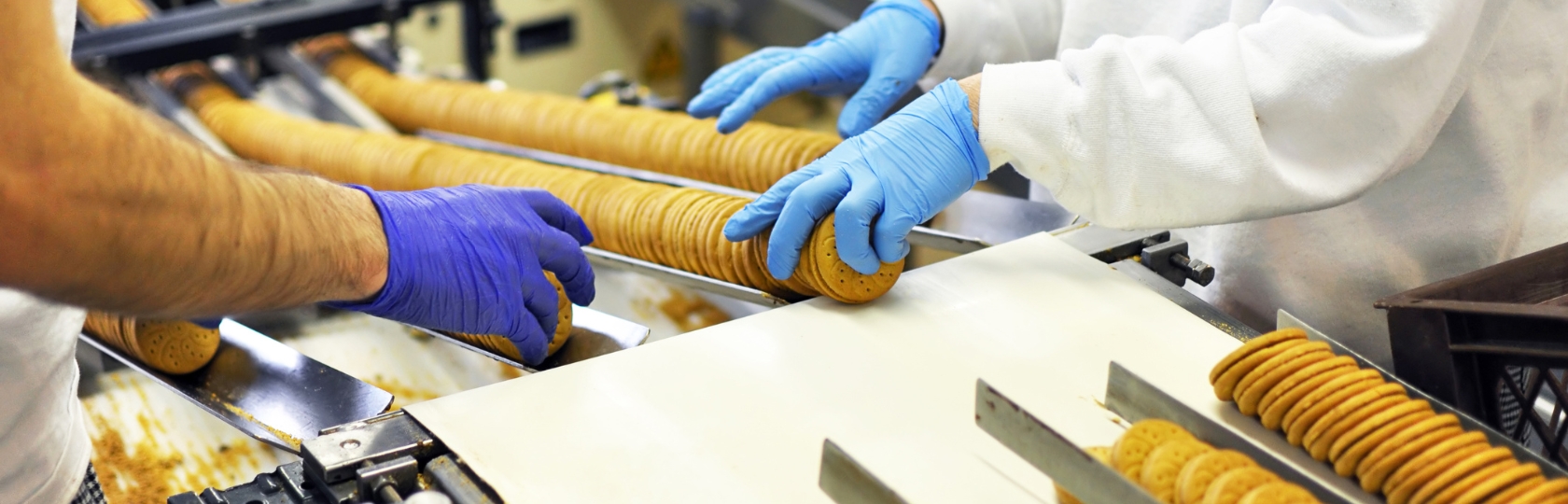
As a brand or food industry, this development offers lessons, challenges, and opportunities. The removal of synthetic dyes and additives will transform how industries, food producers, and manufacturers approach formulation and product development.
Ingredient Sourcing & Reformulation
Natural color alternatives will be in greater demand. Beet powder, turmeric, annatto, spirulina, purple carrot, and anthocyanin blends are gaining popularity as consumers seek cleaner labels. For instance, Nature’s Flavors utilizes natural colorants to craft vibrant, natural food dyes.
Clean label substitutes: Additives like propylparaben, titanium dioxide, and bromates serve functional roles such as anti-caking, whitening, and dough strength. For instance, manufacturers commonly use titanium dioxide as a whitening agent in bakery products. PastryStar specializes in clean-label substitutes that replicate the functional properties of traditional additives. Our solutions ensure that your products retain their desired texture, appearance, and shelf life, all while adhering to clean-label standards. Contact us to have more information.
Supply chain pressures: The growing demand for natural ingredients can put significant pressure on supply chains. Disruptions in sourcing can result in price fluctuations, product shortages, quality inconsistencies, and higher production costs. Natural ingredients also face challenges such as seasonality, varying quality, and limited availability, which can affect both consistency and cost-effectiveness. PastryStar addresses these challenges by partnering with a network of trusted suppliers to ensure a reliable, high-quality supply of natural ingredients. Through strong supplier relationships and strategic sourcing practices, PastryStar helps food manufacturers maintain production schedules, product quality, and clean-label standards, even amid supply chain pressures.
Consumer Expectations & Clean Label Transparency
Consumers will increasingly scrutinize ingredient lists. Products that maintain flavor, texture, and shelf life while boasting “no synthetic dyes / no artificial additives” will have a competitive edge. Marketing and labeling will matter more. Phrases like “clean label,” “naturally colored,” “no synthetics,” or “reformulated for simplicity” may become essential differentiators.
Competitive Differentiation: Early Adoption of Natural Baking Ingredients
Natural ingredients are generally more expensive and can be less efficient in large-scale production. Walmart’s goal to keep products affordable may pressure suppliers and manufacturers to optimize formulations or adopt new efficiency strategies. Small and mid-size industrial bakeries might need to collaborate with specialized ingredient partners to remain cost-competitive.
Cost & Supply Challenges of Switching to Natural Colorants
Switching to natural colorants presents both cost and supply challenges. Natural ingredients often come with higher prices or lower yields compared to synthetic alternatives, which can make it difficult for mid-tier and mass-market brands to absorb or pass along these costs, particularly in highly price-competitive categories. Recognizing this, Walmart has indicated that it will collaborate with suppliers to help maintain affordability. Smaller bakeries, meanwhile, may need to explore strategies such as achieving scale efficiencies, joining co-ops, or sourcing alternatives to keep prices manageable while making the transition.
PastryStar’s Takeaways for Baking Professionals: How to Prepare for Synthetic Dye Bans
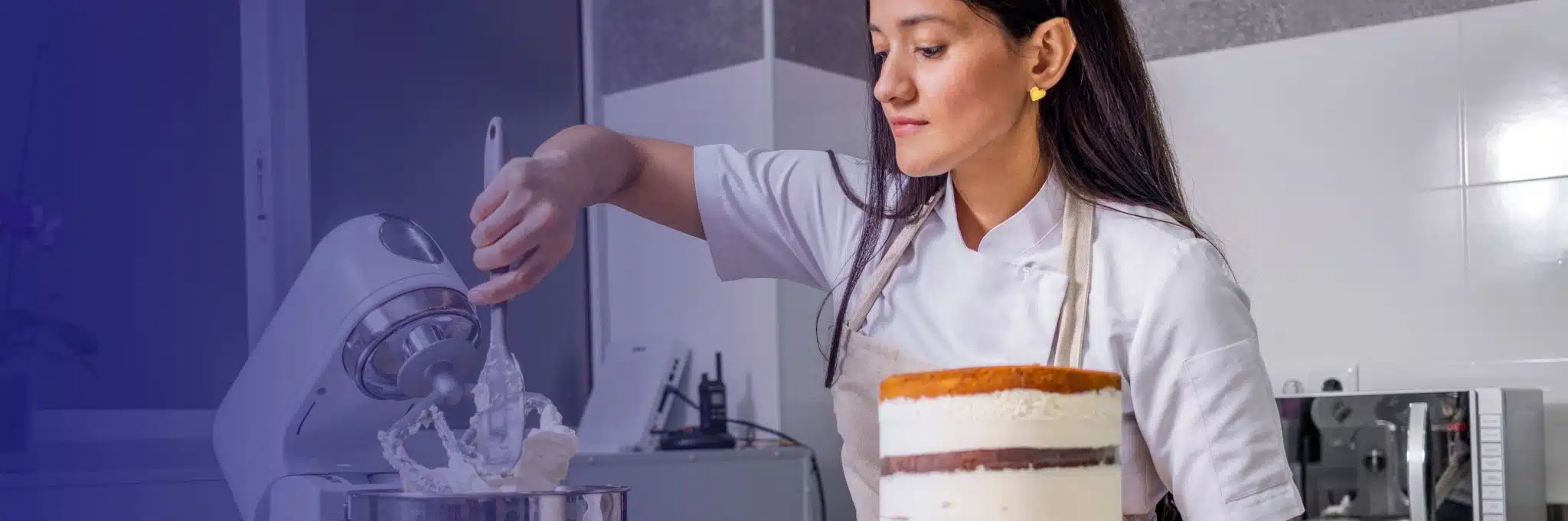
At PastryStar, we’ve embraced clean label long before it became an industry trend. We produce over 200 high-quality pastry ingredients; from fillings and glazes to stabilizers and ready-to-use bases, all made without artificial colors, flavors, or preservatives. Our commitment to natural, transparent, and high-performing ingredients allows pastry chefs, industrial bakers, and manufacturers to stay ahead of evolving market standards.
Clean Label by Design
- PastryStar makes all its products from simple, recognizable ingredients.
- We use fruit purées, vegetable extracts, and plant-based colors for vibrant, authentic results.
- Our Maryland facility holds SQF certification, ensuring safety, consistency, and scalability for our industrial partners.
Custom Natural Solutions for Reformulation
Our R&D team offers tailored technical support to help bakeries reformulate without compromise:
- Replacement of banned or synthetic additives with natural, functional alternatives.
- Stability testing for natural colorants and shelf-life optimization.
- Access to scalable, clean label ingredients for large-volume production.
- Guidance on regulatory compliance and ingredient transparency.
Whether you’re reformulating an existing recipe or developing a new clean label product, PastryStar’s expertise ensures you maintain flavor, texture, and performance, naturally. Explore our custom clean label solutions at PastryStar.com.
Walmart’s decision marks more than a corporate reformulation; it’s a catalyst for the entire food industry. As clean label expectations rise, reformulating now will not only future-proof your business but also strengthen consumer trust. At PastryStar, we’re ready to guide bakers, chefs, and industrial manufacturers through this transition with natural, high-performance ingredients that meet the highest standards of quality, safety, and transparency.
Visit PastryStar.com to discover how our clean label and additive-free solutions can help you innovate with confidence. Contact us for more information.

Follow us on Instagram & LinkedIn!


Tags and Categories