



Top USA Bakery & Pastry Trends to Watch in 2026
As we step into 2026, the U.S. pastry and bakery industry is entering a pivotal moment. Innovation is no longer only defined by indulgence or novelty; it is now driven by texture, experience, functionality, transparency, personalization, and emotional connection. What were once emerging consumer preferences have solidified into structural shifts that are shaping product development across retail, foodservice, and industrial bakery. Recent industry studies show that over 70% of U.S. consumers expect bakery products to deliver more than just taste, prioritizing texture, ingredient quality, and perceived wellness in their purchase decisions. Brands that respond to these expectations with scalable, high-performance solutions are positioned to lead the market this year.
Below, PastryStar breaks down the most important pastry and bakery trends shaping 2026, with actionable guidance for manufacturers, retailers, and foodservice professionals. Explore more data-driven bakery and pastry market insights on PastryStar’s Market Insights center.
Texture is the New Flavor Frontier
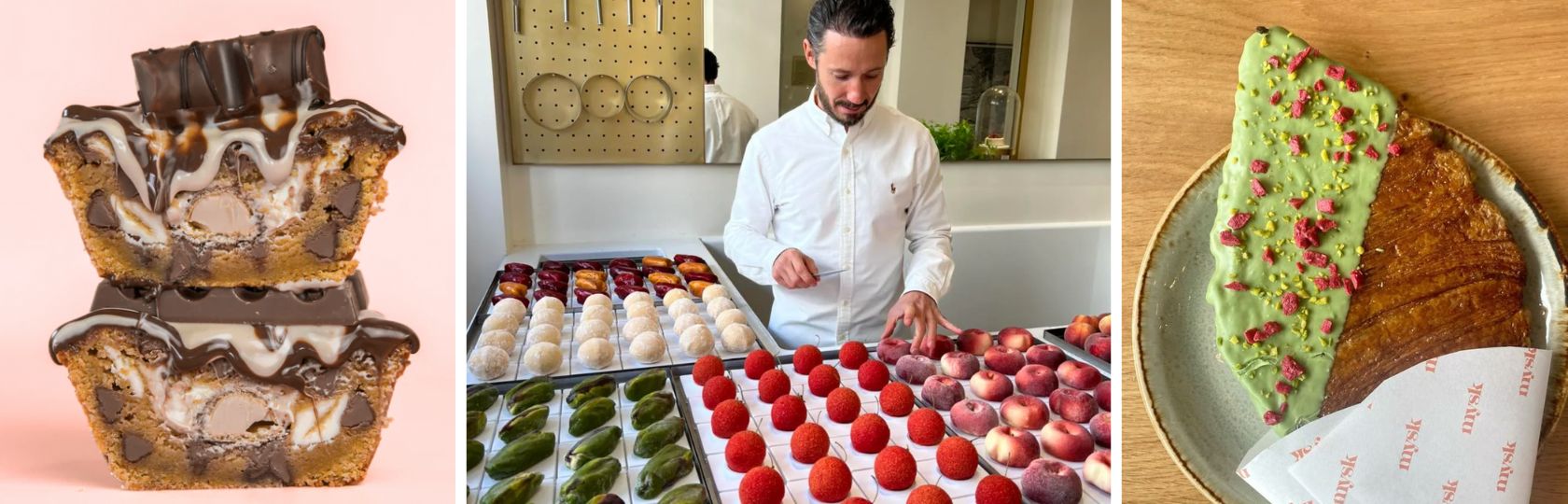
Texture has overtaken flavor as a primary satisfaction driver: 71% of consumers say texture strongly impacts how much they enjoy a product, and 67% actively seek novel mouthfeel experiences. Consumers today are seeking multisensory experiences, not just sweetness or flavor alone. They crave contrast in every bite, from soft to crunchy, creamy to crisp, and chewy to airy. Younger consumers are accelerating this shift faster than ever: The buzz around #CrunchTok (over 1.5 billion views) and the rise in searches for layered, chewy-crunchy desserts show that people want foods that are as satisfying to feel as they are to taste.
Why it matters: According to The Food Institute, texture has quietly moved from a secondary detail to a central expectation. On top of that, Ingredion reports that 72% of consumers would switch brands if a product’s texture failed to meet their expectations. As a result, bakery and snack manufacturers are rethinking innovation through contrast; combining soft and crunchy, creamy and crisp to create products that surprise, delight, and truly differentiate themselves in 2026.
How the trend looks on the shelf
- Seven-layer cakes
- La Bomb Mookie-style cookies
- Cedric Grolet optical illusion desserts
- La Levain Smashed croissants
Market Opportunities: For manufacturers, the challenge is to design texture from the start, not simply add it later. This requires early consideration of structure, inclusions, moisture balance, and shelf life in R&D, as well as testing mouthfeel with the same rigor as taste. At PastryStar, we help brands anticipate market expectations through a deep understanding of consumer trends. By combining consumer insights with hands-on expertise, we support industries and Bakeries in adapting recipes and concepts before trends become mainstream.
Bite-Sized & Premium Formats: Indulgence with Control

Why it matters: Consumers are gravitating toward indulgence in smaller, controlled portions. Bite-sized and premium formats allow enjoyment without excess while still delivering a rich, multisensory experience. These products meet growing demands for convenience, portion control, and premium quality, making them ideal for modern retail, foodservice, and online channels.
How the trend looks on the shelf
- WALMART Mini and individual fruit fillings danishes
- Momom Mini tarts and micro cakes
- PARIS BAGUETTE Premium assortment boxes
Market Opportunities: These smaller formats support faster innovation by allowing brands to introduce new flavors, textures, and concepts through seasonal or limited-edition rotations with lower development and inventory risk. Their premium, single-serve positioning often enables higher price points per unit and stronger margins, while maintaining consumer appeal around portion control and indulgence.
Personalization Becomes a Core Expectation
Consumers, particularly younger demographics, increasingly seek products designed to their individual tastes, textures, and nutritional needs. This includes everything from custom flavor combinations and indulgent yet balanced textures to products tailored for dietary preferences like high-protein, plant-based, or lower-sugar options. Brands that offer choice and flexibility can build stronger loyalty, encourage repeat purchases, and differentiate themselves in a competitive market.
Why it matters: Meeting these personalization demands is now critical for building loyalty and repeat purchases. Brands that fail to offer choice risk being seen as generic, while those that adapt can strengthen engagement and differentiate themselves in a competitive market.
How the trend looks on the shelf
- WALMART Customizable Cakes
- CRUMBL Cookies Boxes
- “Subway-Style” Build-Your-Own Dessert Shop
- True Food Kitchen Vegan Offering
Market Opportunities: Retailers and manufacturers can leverage modular packaging, mix-and-match offerings, and limited-edition flavor lines. Personalization opens doors for subscription boxes, gift packs, and digital ordering platforms, allowing consumers to feel ownership over their treats.
Protein-Forward Pastry & Bakery, Functional Ingredients
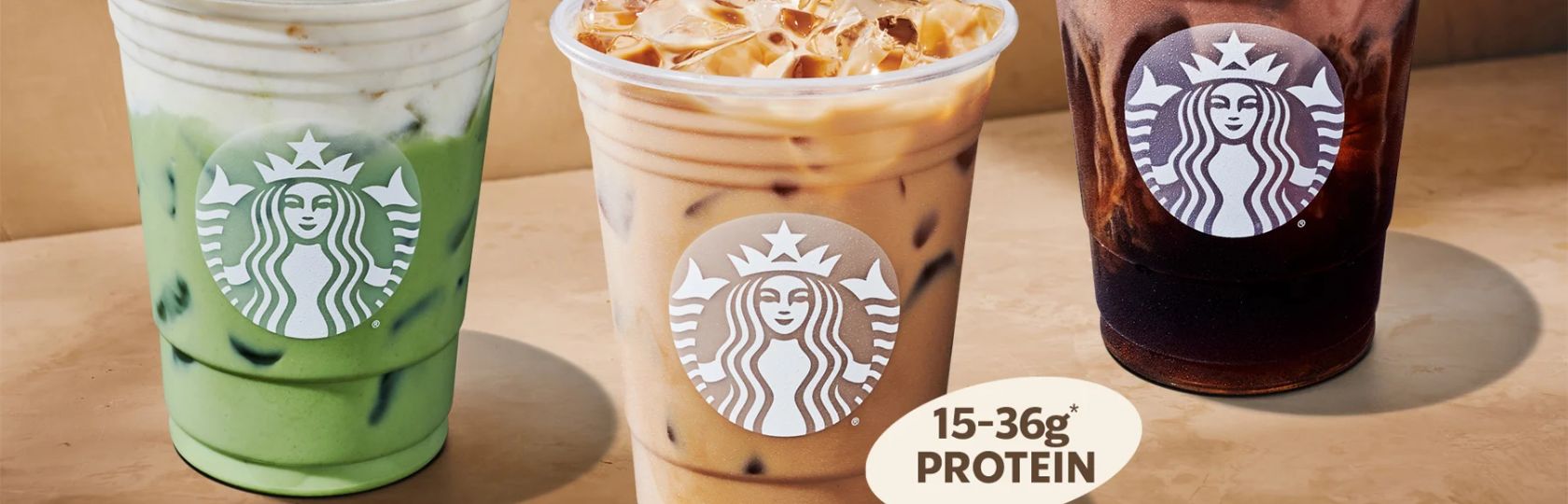
Health and wellness are no longer niche; they are now core expectations for bakery and pastry consumers. Shoppers increasingly seek treats that provide functional benefits such as protein, fiber, or vitamins, while still delivering indulgence.
Why it matters: In a crowded market, consumers are looking for products that do more. Protein-forward and functional bakery offerings satisfy the dual demand for wellness and pleasure, making them highly appealing to active lifestyles, health-conscious shoppers, and families seeking better-for-you treats. Functional ingredients also signal a brand’s commitment to innovation and modern consumer needs, helping products stand out on shelves and online.
How the trend looks on the shelf
Market Opportunities: Incorporating functional ingredients is more than a trend; it’s a way to differentiate the brand, capture new audiences, and increase repeat purchases. In a competitive market, protein-forward and functional bakery products offer a tangible edge, combining health benefits and indulgence in a single, crave-worthy bite. Fortified bakery products can also command higher price points, positioned as “indulgence with benefits.”
Next-Generation Plant-Based & Fermented Ingredients
Plant-based bakery has reached a pivotal stage of evolution, with consumers now expecting products to deliver the same texture, rise, and creaminess as traditional bakery items. To meet these expectations, fermented and vegan/ plant-based ingredients are increasingly leveraged to enhance flavor, improve digestibility, and extend shelf life, without compromising on indulgence.
Why it matters: Achieving functional equivalence is a significant challenge for brands, as replicating the sensory experience of traditional bakery products with plant-based ingredients is complex. Success not only allows brands to satisfy the growing demand for plant-based options but also positions products as premium and indulgent alternatives.
Market Opportunities: Consumers now demand plant-based products that perform like their traditional counterparts, no compromises. This opens opportunities across vegan, flexitarian, and health-conscious segments, where taste, texture, and visual appeal are critical. Creating these vegan alternatives is particularly difficult due to the multiple parameters involved, moisture, color, rise, and creaminess, must all be balanced to achieve functional equivalence. PastryStar’s expert R&D team partners with brands to tackle these challenges head-on, developing custom plant-based solutions and innovative formulations.
Global & Balanced Flavors: Tangy, Bright & Less-Sweet Profiles

Consumers are seeking adventurous and sophisticated flavors in bakery. Nearly 46 % of U.S. shoppers actively look for global and fusion tastes, from matcha and ube to yuzu and cardamom. At the same time, desserts with tangy, bright, or less-sweet profiles are increasingly preferred, offering depth and complexity to traditional pastries.
Why it matters: Incorporating global and balanced flavors allows brands to capture adventurous, younger, and health-conscious consumers, differentiate products, and create buzz across retail and foodservice channels. Desserts that combine familiar sweetness with acidity, bitterness, or exotic spice offer a more refined, memorable experience, signaling premium quality, creativity, and craftsmanship.
How the trend looks on the shelf:
Market Opportunities: Brands can use global and nuanced flavors to innovate, reformulate classics, and launch seasonal or limited-edition products. Highlighting ingredient origins, preparation, and unique flavor stories creates shareable content for social media, driving engagement and repeat purchases. These flavors appeal to premium, health-conscious, and adult-focused segments, supporting higher price points and enhancing brand positioning. International-inspired and tangy profiles allow for fusion products, cross-category collaborations, and differentiation in a crowded market, helping bakeries and cafés stand out while meeting evolving consumer expectations.
Clean Label Evolves into Transparency & Storytelling
Clean labeling has evolved beyond listing ingredients; consumers now expect full transparency, sourcing stories, and traceability. Sustainability is increasingly seen as a marker of quality and craftsmanship, rather than a compromise. Studies show that 65% of consumers link eco-friendly practices directly to product authenticity and premium appeal.
Why it matters: Simply using “natural” ingredients is no longer enough. Brands that communicate how and where ingredients are sourced, and highlight sustainable practices, can build trust, loyalty, and perceived value with informed consumers, especially among younger demographics.
Market Opportunities: Transparency strengthens trust and supports premium positioning. Sustainability now signals long-term value and premium quality. Brands can differentiate through storytelling and provenance, attracting eco-conscious and premium buyers. Transparent communication builds trust, loyalty, and willingness to pay more. PastryStar supports these opportunities with clean-label products, proudly made in the USA and SQF-certified, ensuring high-quality, safe, and responsibly produced ingredients that brands can confidently feature in their offerings. Get more information here.
Cloud Dancer Aesthetic: Quiet Luxury in Bakery
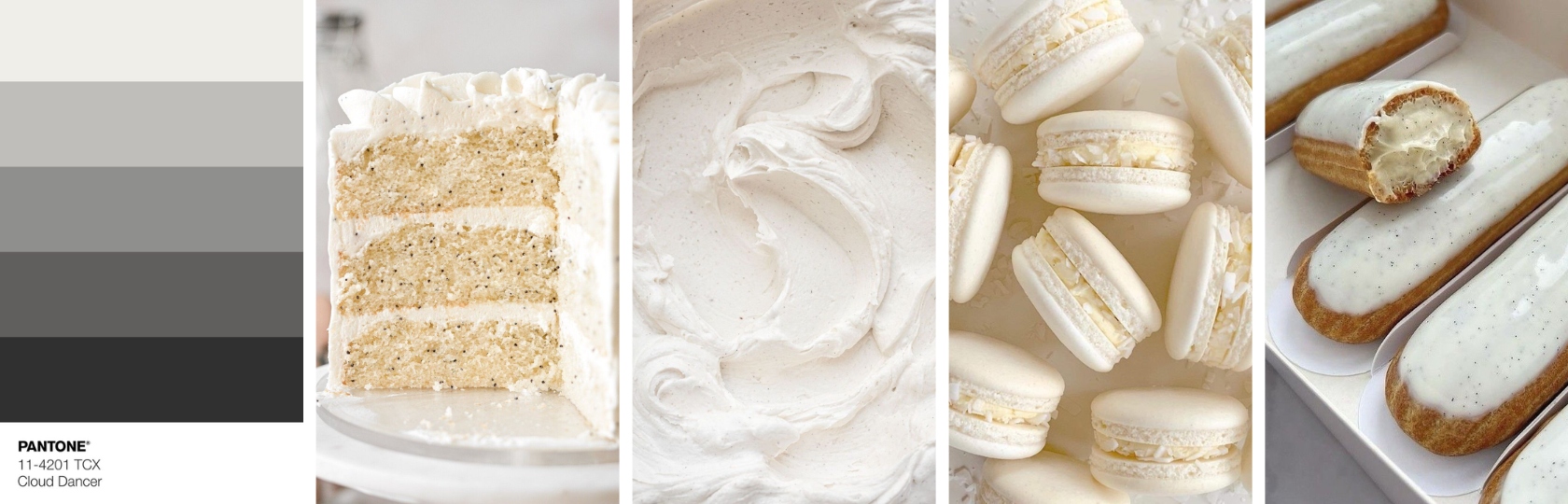
For 2026, Cloud Dancer (PANTONE 11-4201) is all about lightness, purity, and ethereal simplicity; a soft off-white that evokes airy clouds and serene clarity rather than bold hue saturation. Rather than pushing profiles toward intense color, this trend invites professionals and brands to focus on texture, structural finesse, and subtle tastes that align visually and conceptually with the Cloud Dancer aesthetic.
Why it matters: Consumers are increasingly drawn to minimalist, premium aesthetics that convey quality and craftsmanship. Products that look elegant and thoughtfully designed can enhance perceived value and create a stronger emotional connection with discerning buyers.

Market Opportunities: In a crowded market, quiet luxury stands out, emphasizing quality and subtlety over gimmicks. Premium bakeries can leverage aesthetic differentiation to position products as luxury or boutique. Calm, refined design cues appeal to affluent, design-conscious, and gift-oriented consumers, elevating brand perception and value.


Tags and Categories